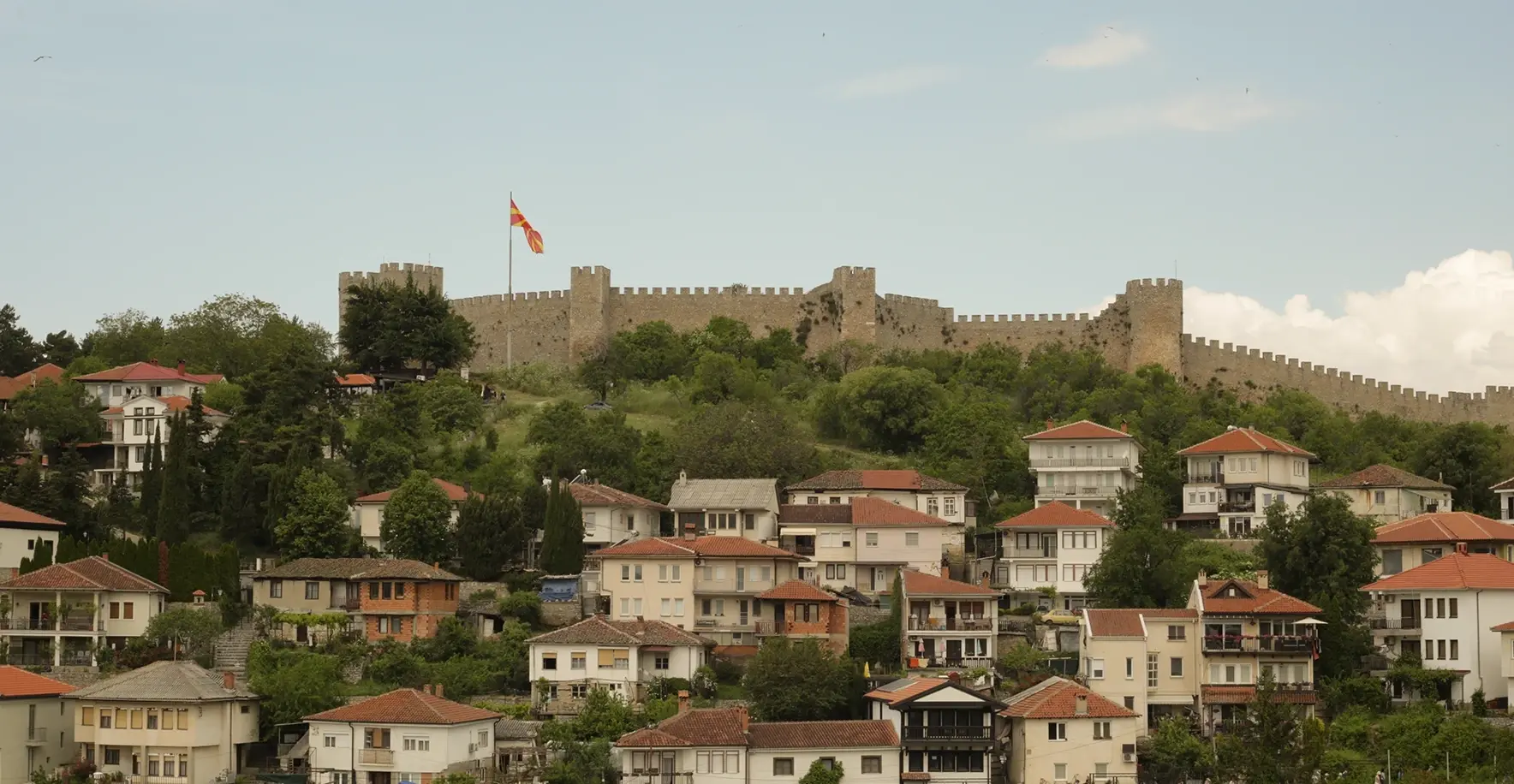
The moment you climb to the Samuel’s Fortress, standing on top of the hill of Ohrid’s Old Town, you notice how small everything looks from up there. From below, it feels like the walls are watching you back. On top, you get a feeling you have achieved something great. Like the many legendary people that came before you.
Samuel's Fortress has stood on the hill above Ohrid for over a thousand years, and from anywhere in the old town you can look up and see its ramparts cutting against the sky. Getting to the Fortress will take you between 30 and 40 minutes of walking. But the view makes you understand immediately why someone decided to build an empire here.
The Walk Up Through the Old Town
You cannot take a cable car or shuttle to the Fortress. The only way up is by walk. During hot summer months, it is best that you go early in the morning.
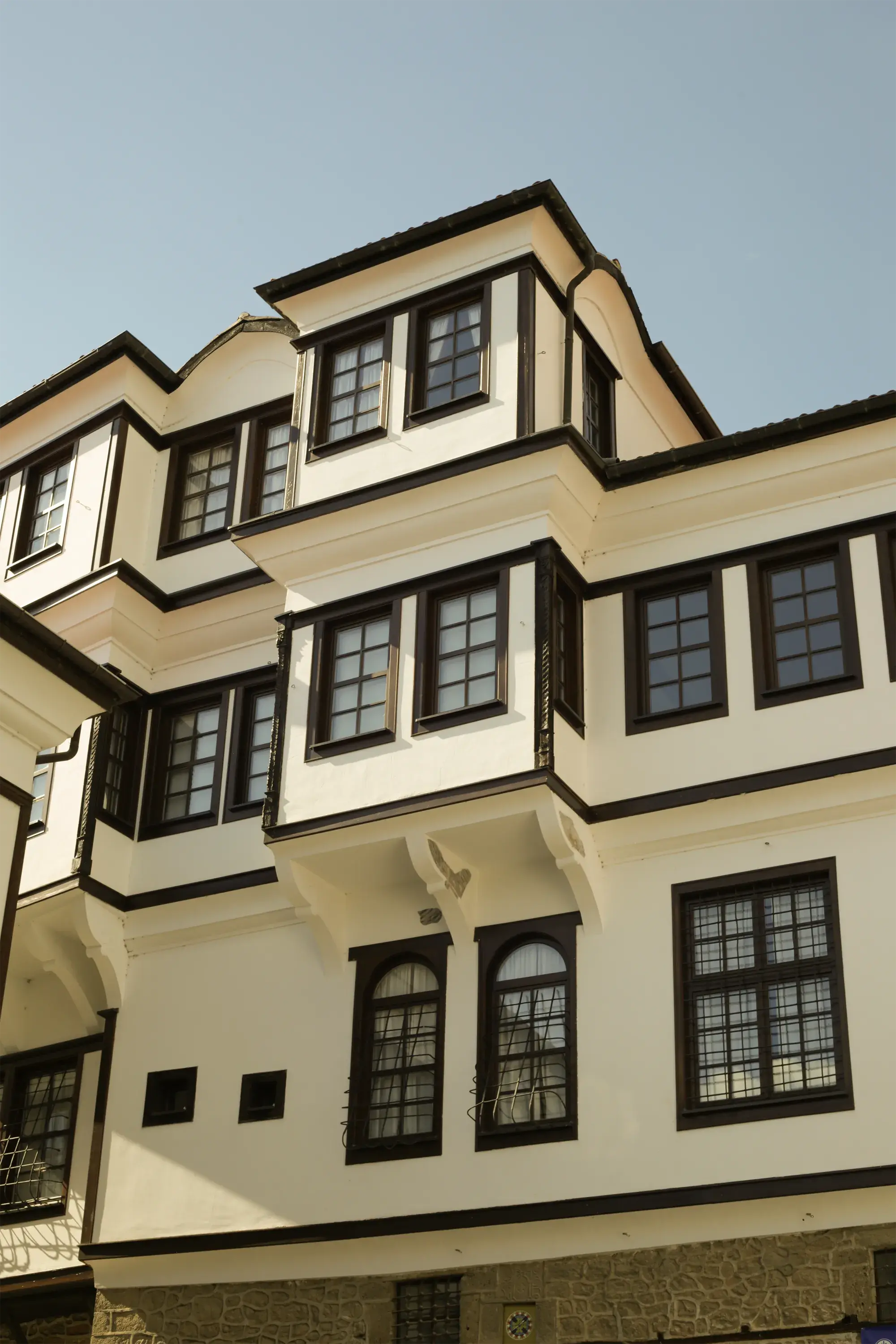
The best direct route begins in the lower old town and winds uphill past Ottoman-era stone houses, old churches, and fig trees growing out of sun-bleached walls. The streets narrow as you climb. By the time you reach the Upper Gate, the entrance to the fortress, you have already passed the ancient theatre, the Church of Perivlepta, and a few stretches of surviving city wall.
At that point, you understand why Ohrid holds dual UNESCO World Heritage status.
The Upper Gate is the only one of the original three city gates that survived in complete form. Do not rush walking through it. Embrace its beauty and history. Medieval builders recycled marble tombstones from ancient Greek and Roman structures to construct it. Some stones still carry partial inscriptions from their original use. The gate is both a doorway and an accidental archive, two thousand years of Ohrid history stacked into a single arch.
The fortress has been old for a very long time. The Roman historian Livy, writing in 209 BC, recorded that a fortification on this hill was already built and functioning at that point, and that it had already played a role in crucial moments of the city's history. That is the oldest surviving written reference to what you are about to walk into.
He used Ohrid’s ancient name, Lychnidos.
What You Will Find Inside the Walls
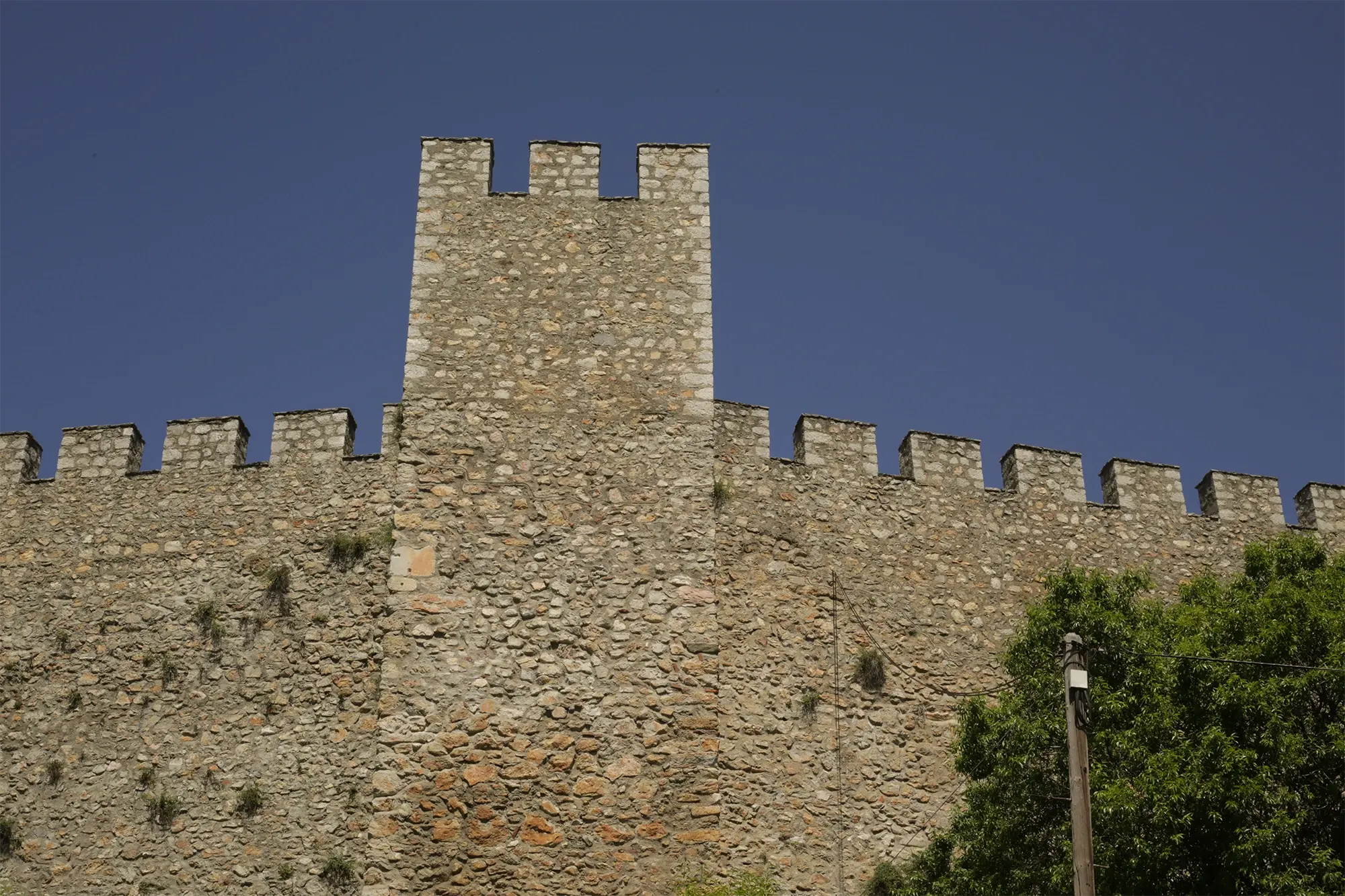
The Fortress is not a conventional museum. You cannot find any display cases, audio guides, or explanatory panels inside the fortress. What remains is the citadel, repaired towers, stretches of original wall, and long stone walkways along the ramparts that you can walk in their entirety.
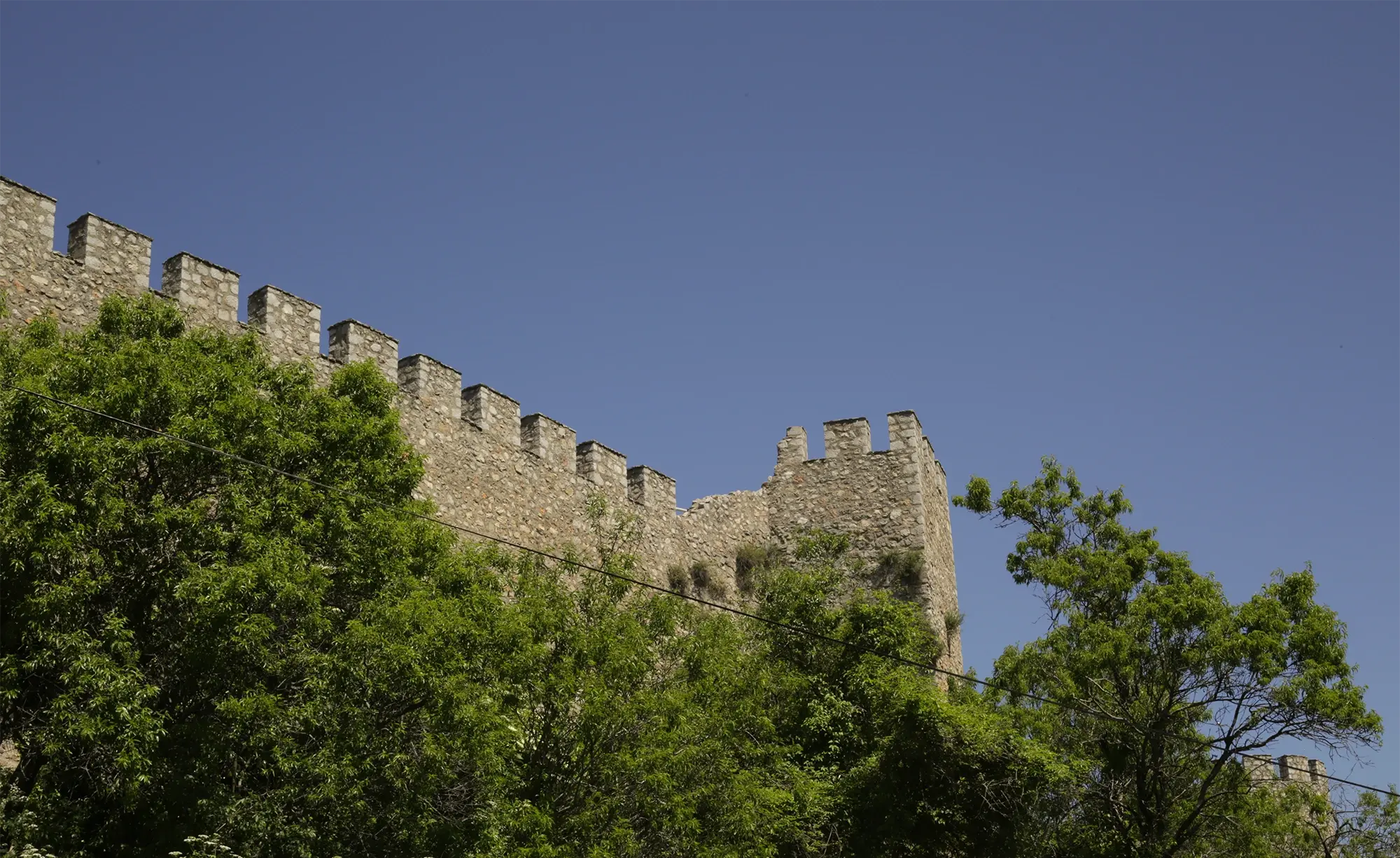
Eighteen towers and four gates survive from the medieval structure. The walls run roughly three kilometres in total, ranging from 16 metres at their highest point down to 3 metres where the terrain made height less necessary. They did not stop at the hill. The full defensive system extended all the way down to the edge of the harbour, enclosing the entire settled area of medieval Ohrid within a single perimeter.
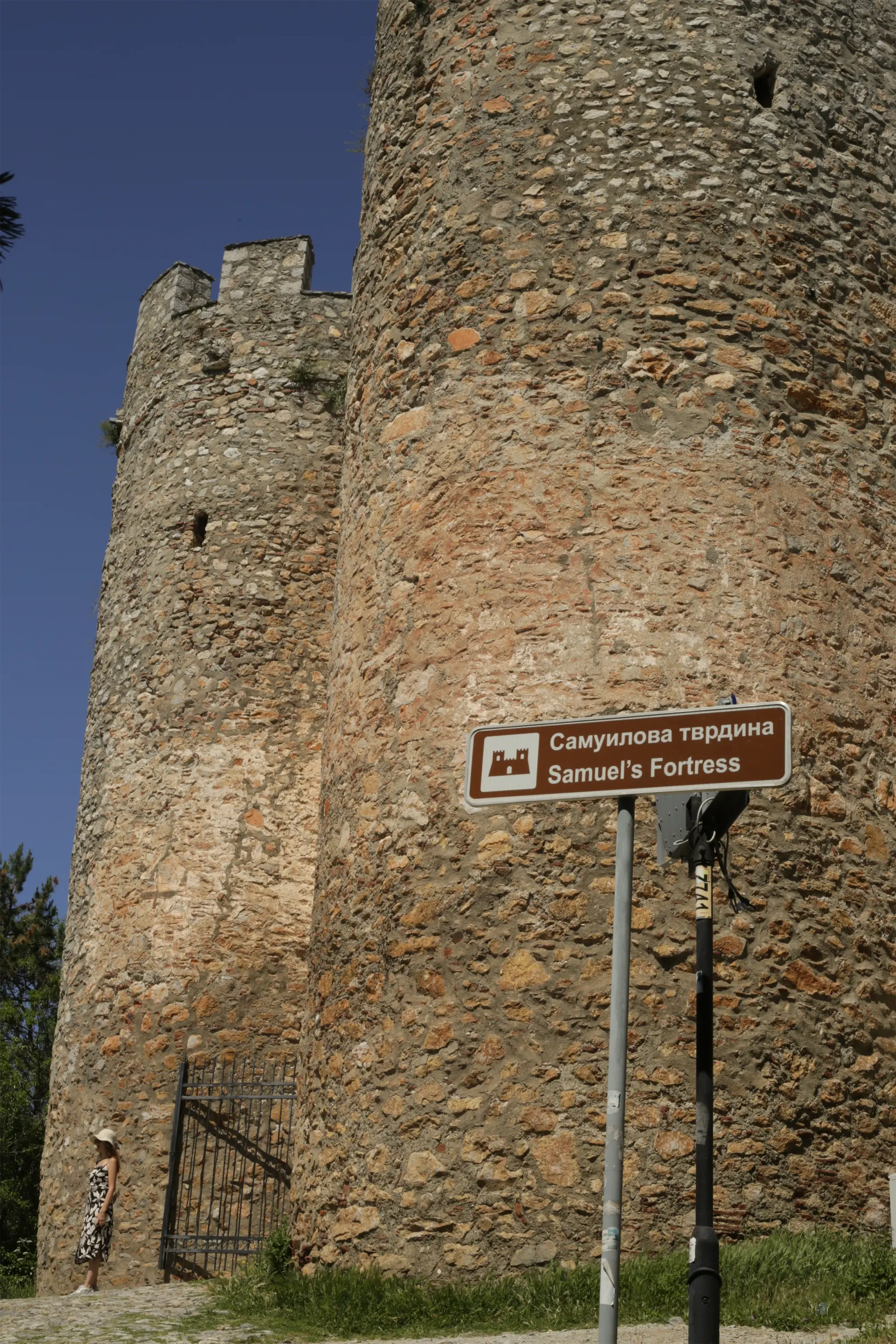
The fortress had two distinct parts. The inner citadel, at the summit, was divided by a wall into a residential section for the ruler and a separate quarter for the garrison, each protected by its own towers. The largest and strongest tower was placed deliberately at the weakest point in the perimeter, where the hill was most accessible from the outside. The main entrance to the citadel was flanked by two semicircular defensive towers. Beyond the citadel walls, a broad outer enclosure contained the suburban area where courtiers and their families lived, a small fortified city within a city.
The Three Gates
Three gates originally controlled access to the city. The Upper Gate, which you enter through, stood adjacent to the Church of the Virgin Perivlepta and the ancient theatre. The Front Gate (Chelna Porta) stood near the Church of the Virgin Chelnica, in the middle section of the old town. The Lower Gate sat about fifty metres from the lake shore, near the Church of Saint Nicholas Bolnichki, controlling access from the harbour. Of the three, only the Upper Gate survived intact.
The fortress has not always looked as it does now. After Samuel's empire fell in 1018, Emperor Basil II ordered the structure destroyed. It was rebuilt under Alexios I Komnenos, damaged and restored again in the late 14th century under Andrea Gropa, who governed Ohrid from 1371 to 1385.
The last person to make significant changes was Dzeladin-Bey, a semi-independent Ottoman feudal lord who built a palace in the southern citadel in 1808, known as the Gorni Saraj, or Upper Palace.
The construction involved a chain of demolitions: the palace was built using stone from the already-demolished palace of Ismail Pasha, which had itself been built by adapting the former palace of the Ohrid Archbishopric, which originally stood south of the Cathedral of Saint Sophia in the area now known as Saraishte.
When Dzeladin-Bey fled Ohrid in 1830, his palace was torn down in turn, and the fortress was abandoned to decay for the better part of two centuries.
What You See From the Top
Stand on the ramparts and turn slowly.
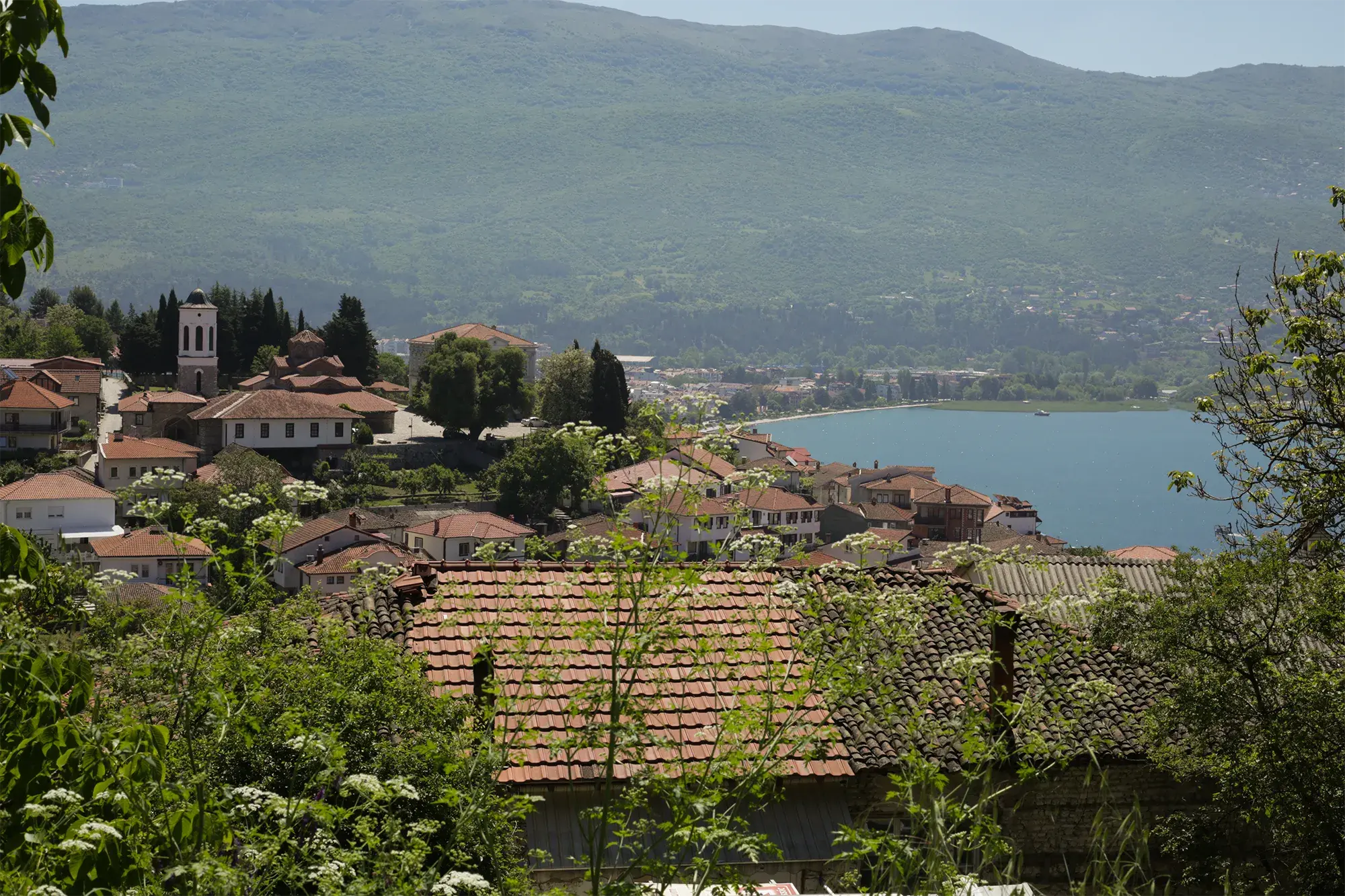
To the south, Lake Ohrid extends across the full breadth of the view, intensely blue in summer, pewter-grey in winter, with the Albanian mountains rising on the far shore. On a clear day, you can see across the border.
To the east, the ridgeline of Galicica National Park runs along the horizon, its slopes of oak and pine separating the lake basin from the higher plateau beyond. To the northwest, where the Black Drin river exits the lake, sits the town of Struga, with Mount Jablanica behind it.
Below you, the old town reveals itself properly for the first time: red rooftops, terraced gardens, the dome of Saint Sophia, the bell tower of Saint Clement's Cathedral, the curve of the harbour, and the handful of cafe terraces along the waterfront. From up here, the logic of the city becomes legible in a way it cannot from street level.
You see why the hill was defended, and why anyone in control of it controlled the lake trade routes below.
One practical note on photography: the fortress sits on the western side of the old town hill, meaning the sun sets behind the ramparts. Mornings provide better light on the lake and the mountains to the east. The best photographs of the fortress itself, framed against the lake, are taken from below — from the path near the Church of Perivlepta or from the lower old town.
Hours, Tickets, and What to Bring
- Samuel's Fortress is open every day except Mondays, year-round.
- Summer season (May 1 to September 30): 09:00 to 16:30 Winter season (October 1 to April 30): 09:00 to 15:30
- The entrance fee is 150 denars (approximately 2.50 EUR).
Bring water. The walk up and the tour through the ramparts will make you look for water quickly. During summer months, the stone walls hold heat well into the afternoon. Wear shoes with some grip; the ramp up to the rampart walkway is steep, and the stone becomes slippery after rain.
Go early if you can. The fortress is rarely crowded at opening time. By midday in summer, tour groups arrive and the narrower stretches of the walkway fill up quickly.