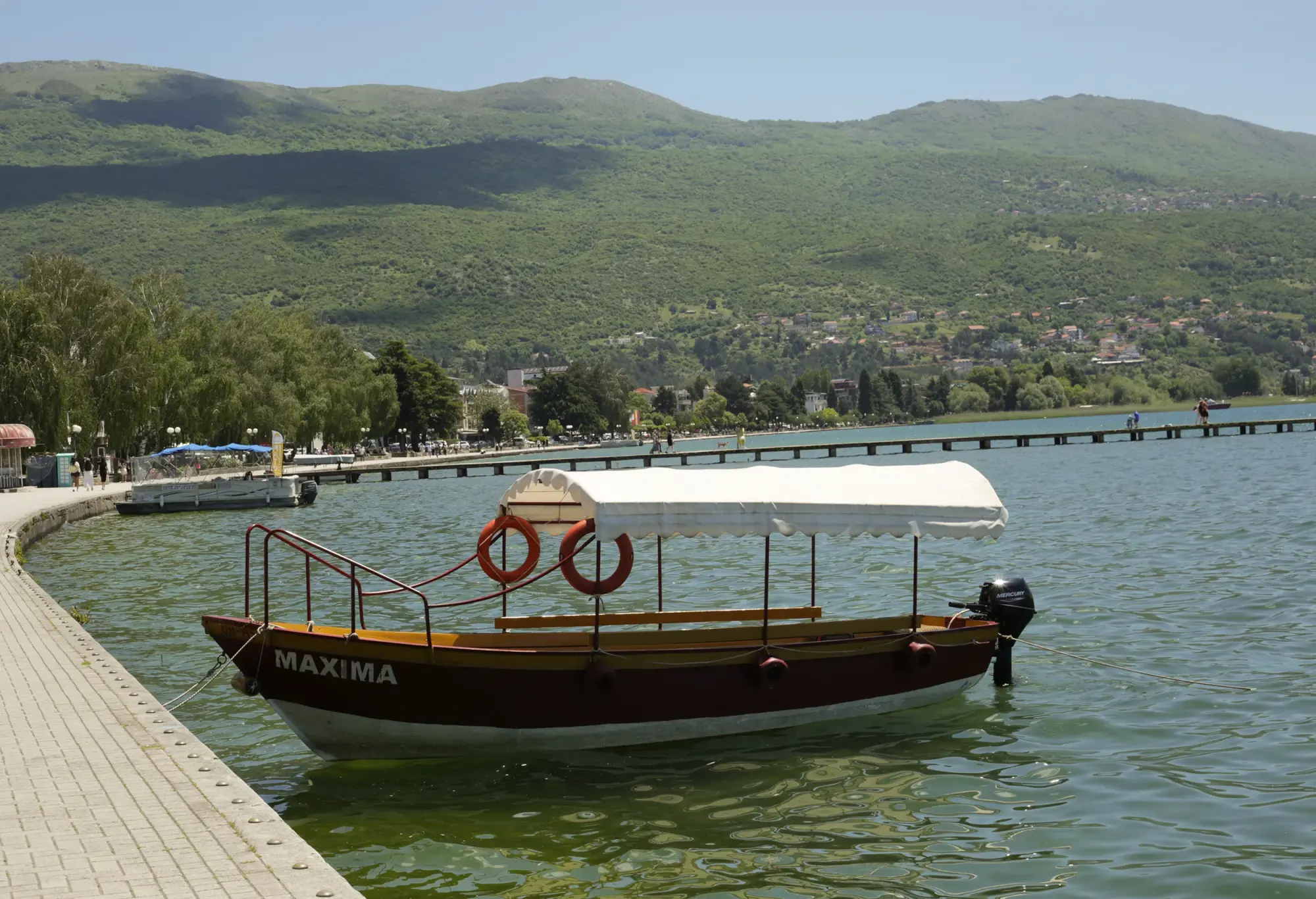
Ohrid, a city located in the southwestern part of Macedonia, stands as a testament to the cultural and historical heritage of the Macedonian people. Surrounded by high mountain ranges and lying at a surprisingly high altitude, it gives Ohrid a unique location. As the most popular tourist destination in North Macedonia, Ohrid is a city you can visit throughout the entire year. Each season, however, has its own benefits and downsides. With that in mind, let’s take a look at each season, and hopefully, by the end of the article, you will have a better idea when you want to visit Ohrid.
Understanding the Climate in Ohrid
The climate in the Ohrid Valley is classified as locally continental. The average annual temperature reaches 11.4°C. The average monthly temperature is 21.2°C in July and August, with an absolute maximum of 34.4°C recorded in August. The lowest average monthly temperature is 1.5°C in January.
The most common wind is the one blowing from the north, especially in autumn and winter. During the summer and winter periods, winds blow toward the south and southeast. Southeastern and eastern winds are insignificant. Rainy and mild periods alternate throughout the day, especially in summer. Mornings are characterized by pauses between northern winds and calmer conditions. Weather conditions change greatly in the afternoon when southern and southeastern winds disturb the stability.
The temperature of the water in the deeper layers of Lake Ohrid is approximately 6°C, while at the surface it can warm up to 24°C, and in the coastal layers even up to 26°C.
Visiting Ohrid in the Summer
The summer is peak season in Ohrid, when most tourists come to enjoy the crystal clear water of the Ohrid Lake. The summer is also peak season in terms of events, with multiple music festivals happening around the city. August often brings DJs, local stars, and international stars to the stage in Ohrid.

Yet, the peak season is also the most challenging. Due to the flood of tourists, Ohrid can become crowded and difficult to navigate.
During the peak summer days, you might get stuck in traffic trying to get to the beaches. Finding a parking spot is almost impossible, making it harder to get around the city with a car. Public transport can be slower as well due to the traffic jams.
Last, but not least, prices often go up during the peak summer days. From mid-July to mid-August, prices in Ohrid go up by 20 to 30 percent.
Pros:
- Warmer climate and water for swimming
- Plenty of events for entertainment
- Restaurants, boat tours, and everything are in full swing
Cons:
- The city is crowded
- Higher prices
- Hot afternoons make sightseeing challenging
Visiting Ohrid in Spring
For many people, Spring is the best season to visit Ohrid. Often, it depends on the climate. If the winter is short and Spring weather starts in mid-February and early March, Ohrid is a great option for late April and May. The downside is frequent Spring rains.
If you plan to visit Ohrid in Spring, pay attention to the calendar. During the Easter weekend, Ohrid is the go-to spot for local tourists. Sometimes, the city is more crowded during Easter weekend than during summer days.
As in other countries around the world, spring is the season for blooming scenery. Nature comes alive with flowers and greenery, making it perfect for activities like hiking. The mild weather makes exploring the old town pleasant. And of course, there are fewer crowds, allowing you to enjoy the UNESCO sites and lakeshore in a peaceful setting.
Pros:
- Comfortable temperatures
- Fewer crowds
- Blooming scenery
Cons:
- Unpredictable weather
- Swimming is not an option yet
- Limited nightlife and events
Visiting Ohrid in the Fall
Like spring, fall is a season that offers peace and quiet. While the days are shorter, there is still plenty of sunlight during late September and October for exploring the city. Of course, swimming is not possible unless you get lucky and hit an extremely hot period. Yet, often, mid-September is when the swimming season ends in Ohrid.
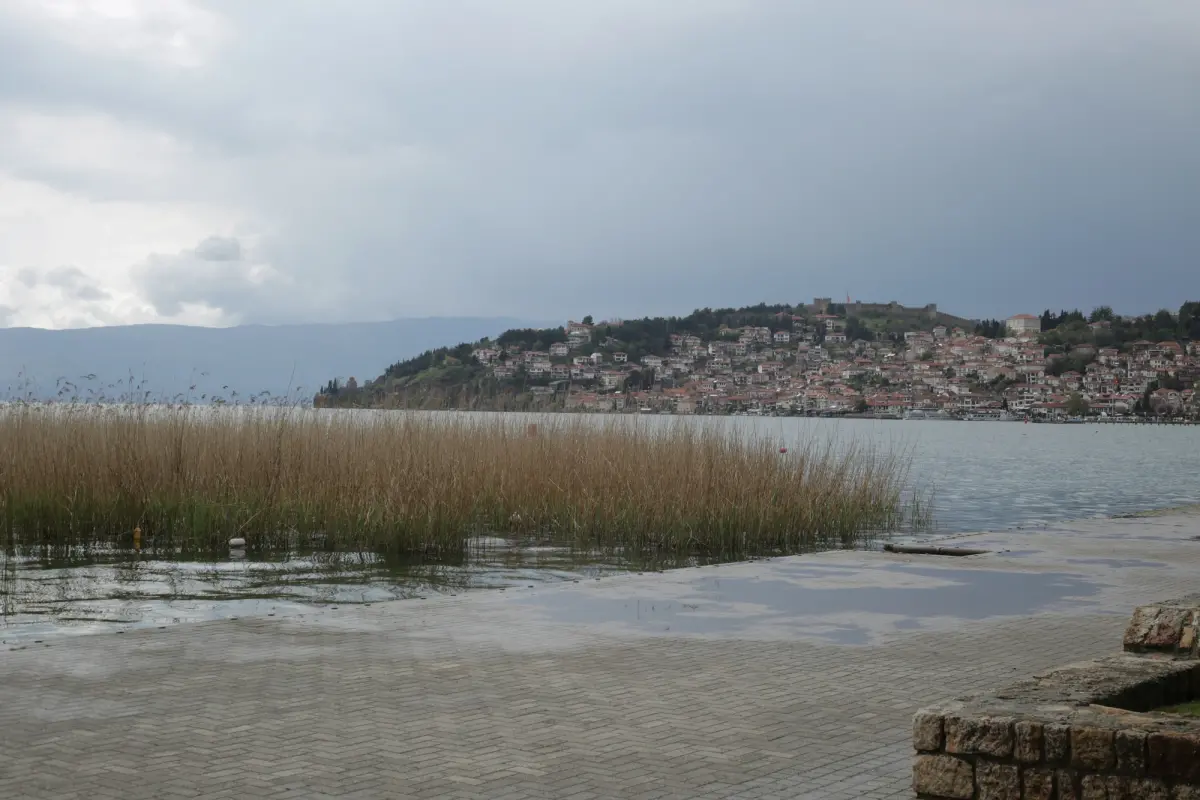
On the flip side, fall offers golden landscapes, as the mountains and lakeside trees create a beautiful autumn setting. The pleasant temperatures are comfortable for walking tours and boat rides. For example, during late September and October, getting to St. Naum from Ohrid is a much more pleasant experience. There are fewer crowds, and you can explore the monastery for hours.
Pros:
- Beautiful landscapes
- Pleasant temperatures
- Lower costs and fewer tourists
Cons:
- Shorter days
- No more swimming
- Increased rainfall can limit activities
Visiting Ohrid in the Winter
Right now, Ohrid is not a winter destination. Yet, there are still tourists who come and visit. If and when the local government transforms Galicica National Park into a winter destination for skiing and similar activities, there might be more tourists.
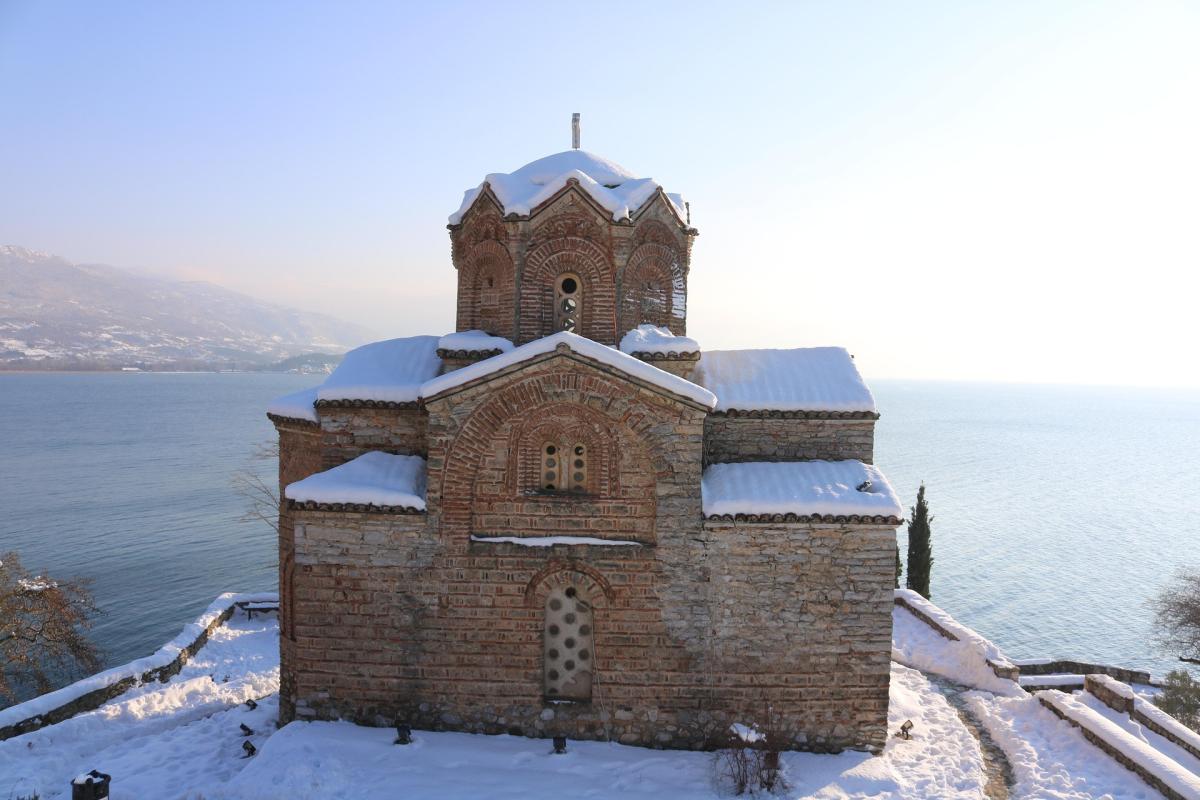
Yet, the good thing about winter is that the city offers a peaceful, calm, and almost mystical charm with no crowds. Winter is also the cheapest season for accommodation and food. If your goal is to explore monasteries and the Old Town, winter is a great option.
Temperatures in Ohrid rarely drop below zero. Snow is also a rarity in the city, but a common sight on the nearby mountains. During winter, there are no boat tours, and nightlife completely shuts down.
Pros:
- Peaceful atmosphere
- Budget-friendly prices
Cons:
- Quiet nightlife
- Cold temperatures make activities less pleasant