When people arrive in Ohrid, they often ask the same thing: “How many days do I need here?” The truth is, even a lifetime in Ohrid doesn’t feel enough. But for a visitor, it really depends on how deeply you want to dive into its history, culture, and the quiet magic of Lake Ohrid. Some come for a quick weekend and leave delighted, others remain for several days, letting the lake slow their pace. Let us walk you through what your stay might look like, whether you have two, three, or five days to spend in this little corner of North Macedonia.
Two Days in Ohrid: A Taste of the Essentials
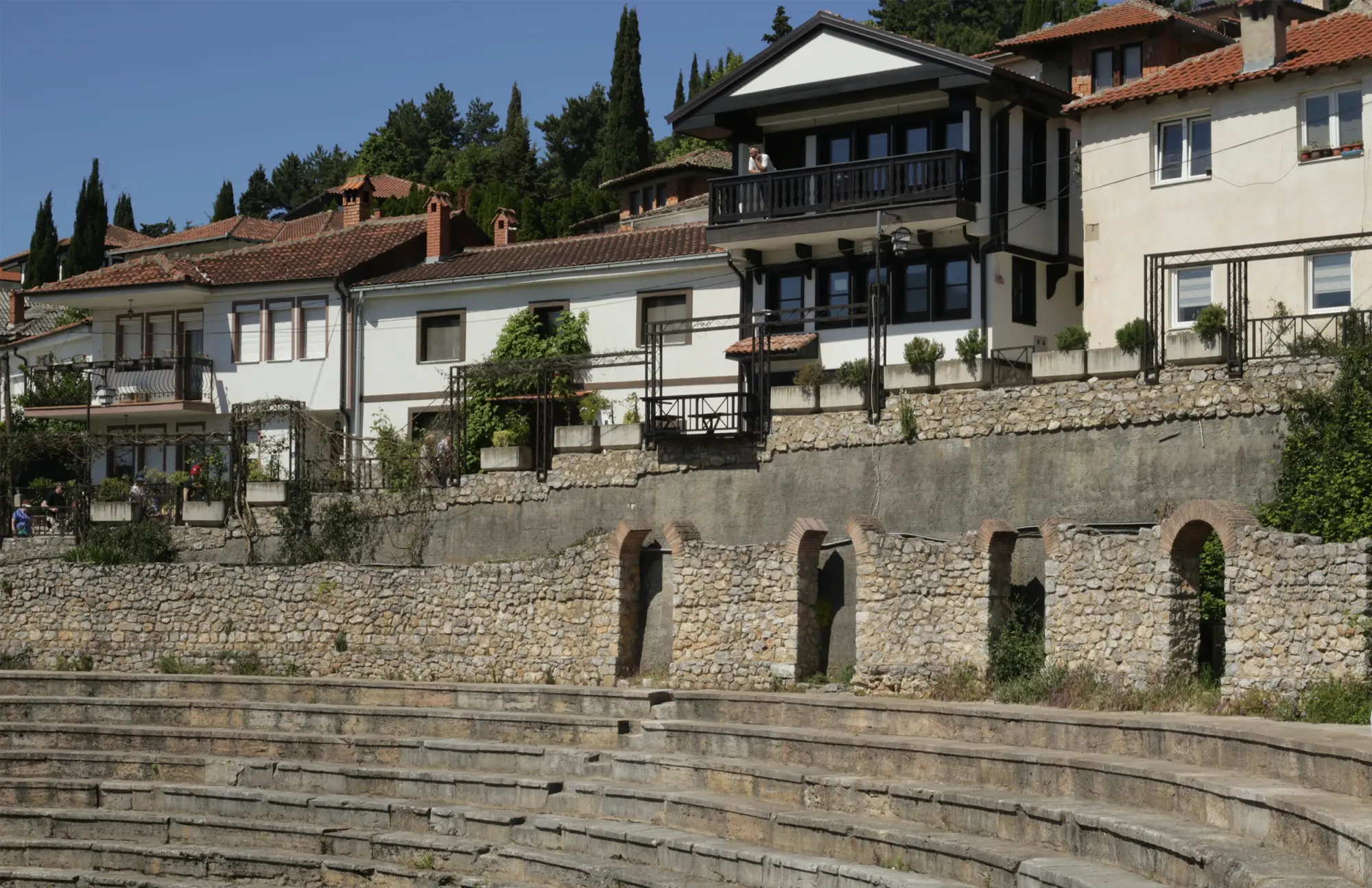
With only two days, you’ll want to focus on the heart of the city. Start by wandering the cobblestone streets of the Old Town, where houses with wooden balconies lean over narrow lanes and the past whispers from every corner. Don’t miss the Ancient Theatre, where you might find concerts held under the open sky. Spending the day in the Old Town means visiting many of the small churches that dot the hillsides.
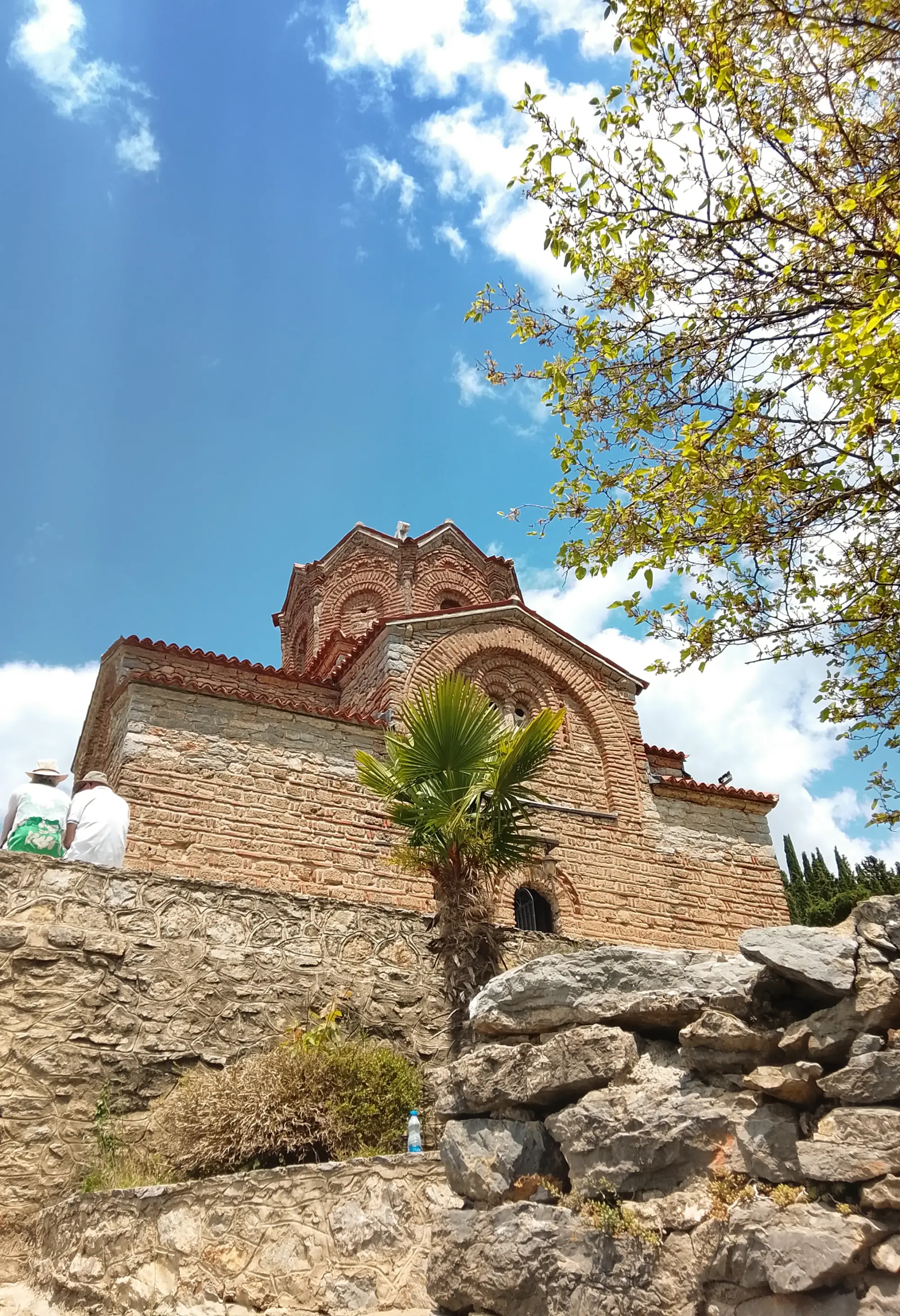
As the sun begins to dip, make your way toward the most photographed spot in Macedonia: the Church of St. John at Kaneo. Perched on a cliff, the church seems to float above the water, and watching the sunset from here is something you’ll carry with you long after you leave. If you want to skip the crowds, though, go in the morning, the light is softer, the water calm, and often you’ll have the place almost to yourself. Evenings are best spent at one of the lakeside restaurants in the center, but if you want something quieter, locals often head a little further down the promenade where the prices are gentler and the music doesn’t drown out the sound of waves.
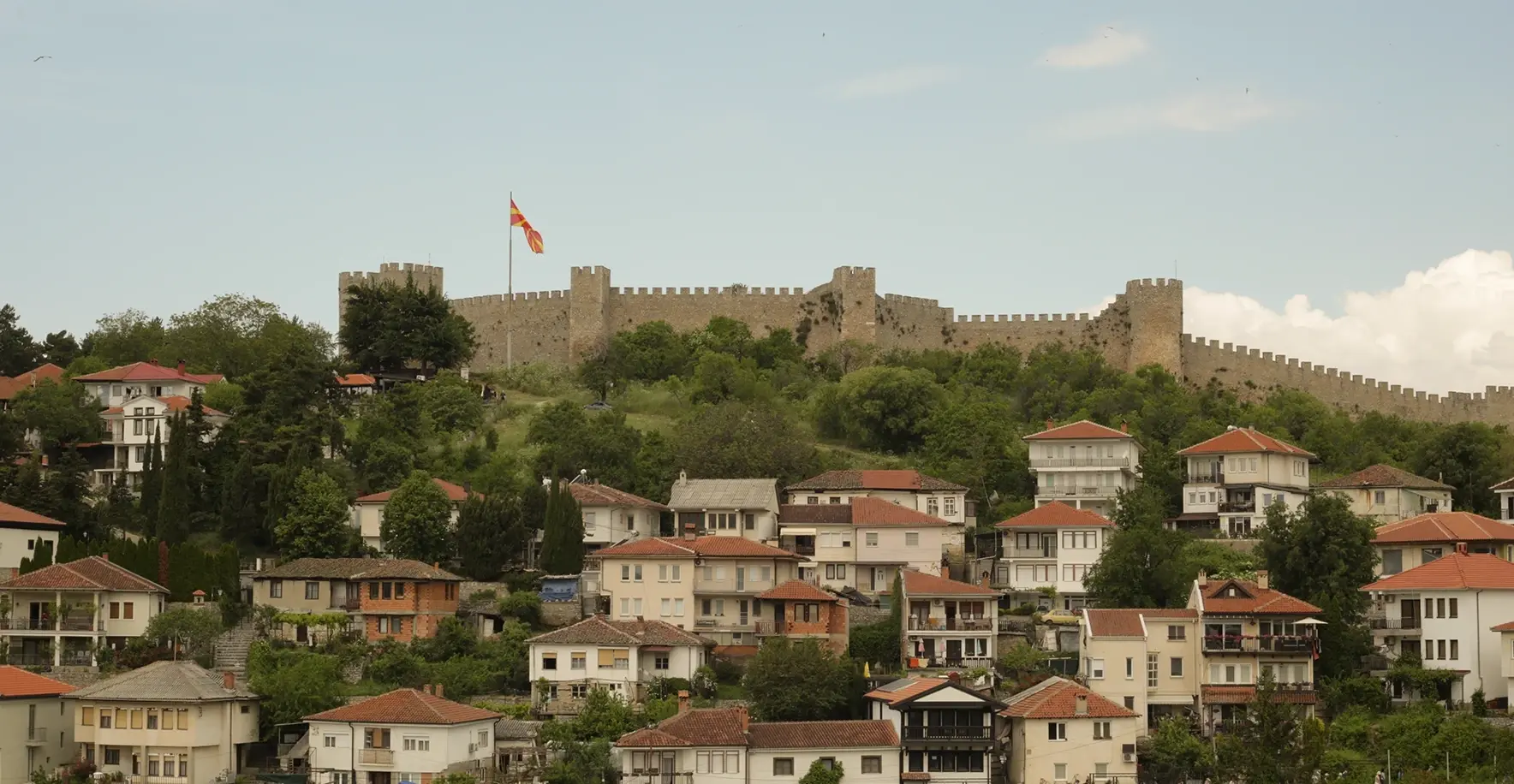
Your second day can begin with Samuel’s Fortress, standing guard above the town. From here, you’ll have sweeping views over the rooftops and the lake that stretches endlessly into the horizon. Then let yourself drift downhill, stopping at the Church of St. Sophia, with its haunting frescoes that date back centuries. On your way down, don’t rush, locals know that the charm of Ohrid lies in the pauses. A slow afternoon walk along the wooden boardwalk by the water completes the picture. If you’re up early enough, try a morning coffee at one of the cafés along the boardwalk before the tourists arrive. There’s nothing like sipping a strong Macedonian coffee while the town slowly wakes.
Three Days in Ohrid: Adding the Lake’s Magic
With an extra day, you can let the lake show you its secrets. Board a boat at the Ohrid harbor and set off south toward St. Naum Monastery. The ride itself is half the magic, as you glide past quiet villages, hidden beaches, and the dramatic cliffs of the shoreline. When you arrive at St. Naum, you’ll find a monastery filled with history and legends, but also springs that feed the lake with crystal-clear water. If you take a rowboat ride through them, the silence and clarity of the water will feel almost otherworldly.
Locals will tell you not to rush back immediately, have lunch at one of the small restaurants near the monastery, where the trout is caught straight from the springs. We have to note, prices at St. Naum are rather more expensive than in Ohrid. Then, if you can, ask the boat captain to make a short stop on the way back. Many will happily pause at one of the secluded coves, giving you a chance to swim in water so clear you can see the pebbles beneath your feet. Returning to Ohrid in the late afternoon, you’ll find you have time to revisit your favorite corners of the Old Town, perhaps climbing back up the hill for another angle of the sunset or simply sitting by the lake with ice cream, like many locals do.
Five Days in Ohrid: Slow Travel and Hidden Corners
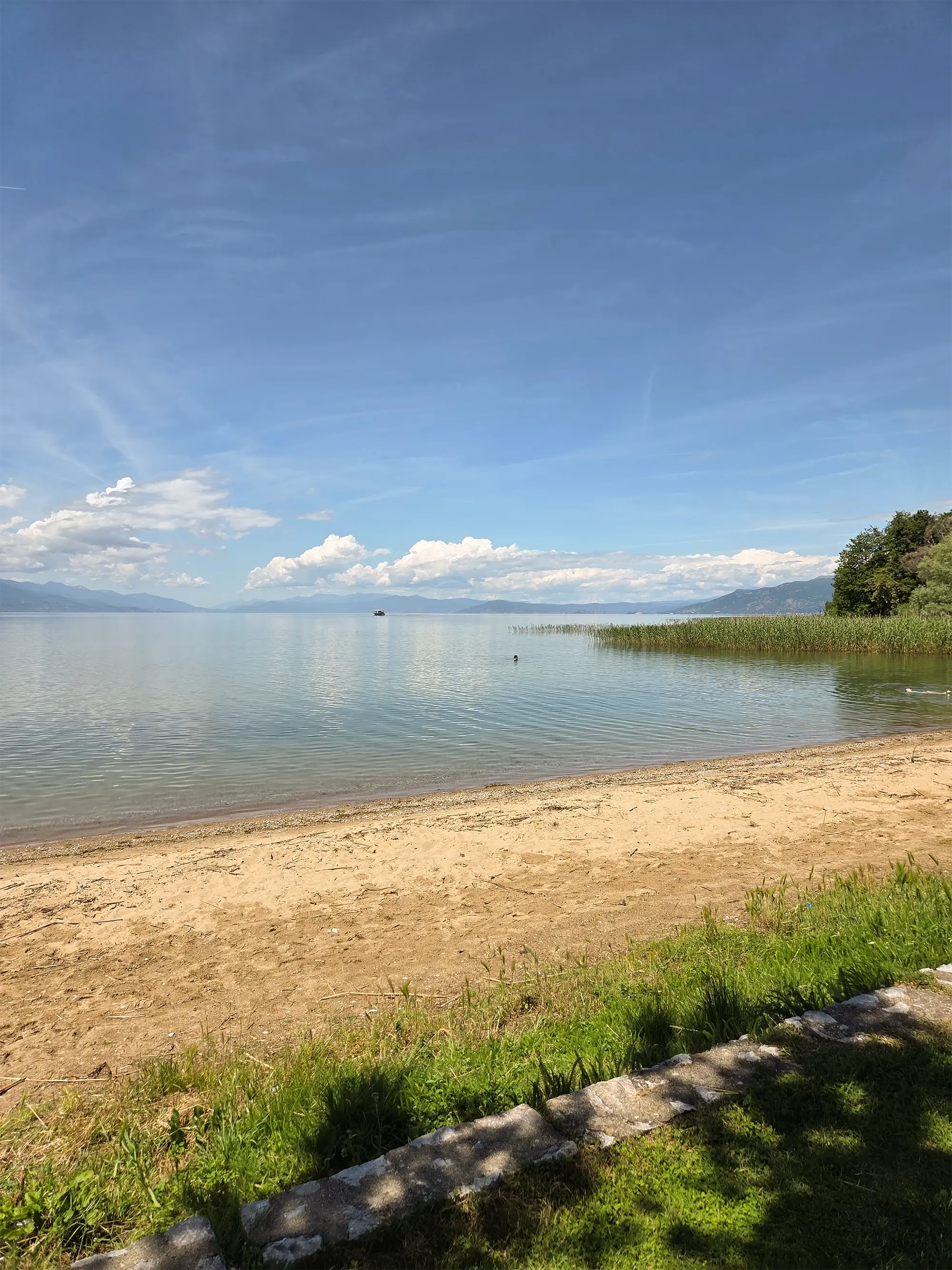
If you give yourself five days here, Ohrid will open up to you in a way short visits can’t. This is when you can trade the rush for a slower rhythm, mixing history with leisure. Spend a morning swimming or sunbathing at Potpesh, or head to some of the many beaches along the lakeside. The water in Ohrid is as clear as glass and the backdrop of mountains makes it unforgettable. For fewer crowds, ask a local to point you toward the smaller rocky spots just outside the town, these are the places where families swim and students bring guitars in the evenings.
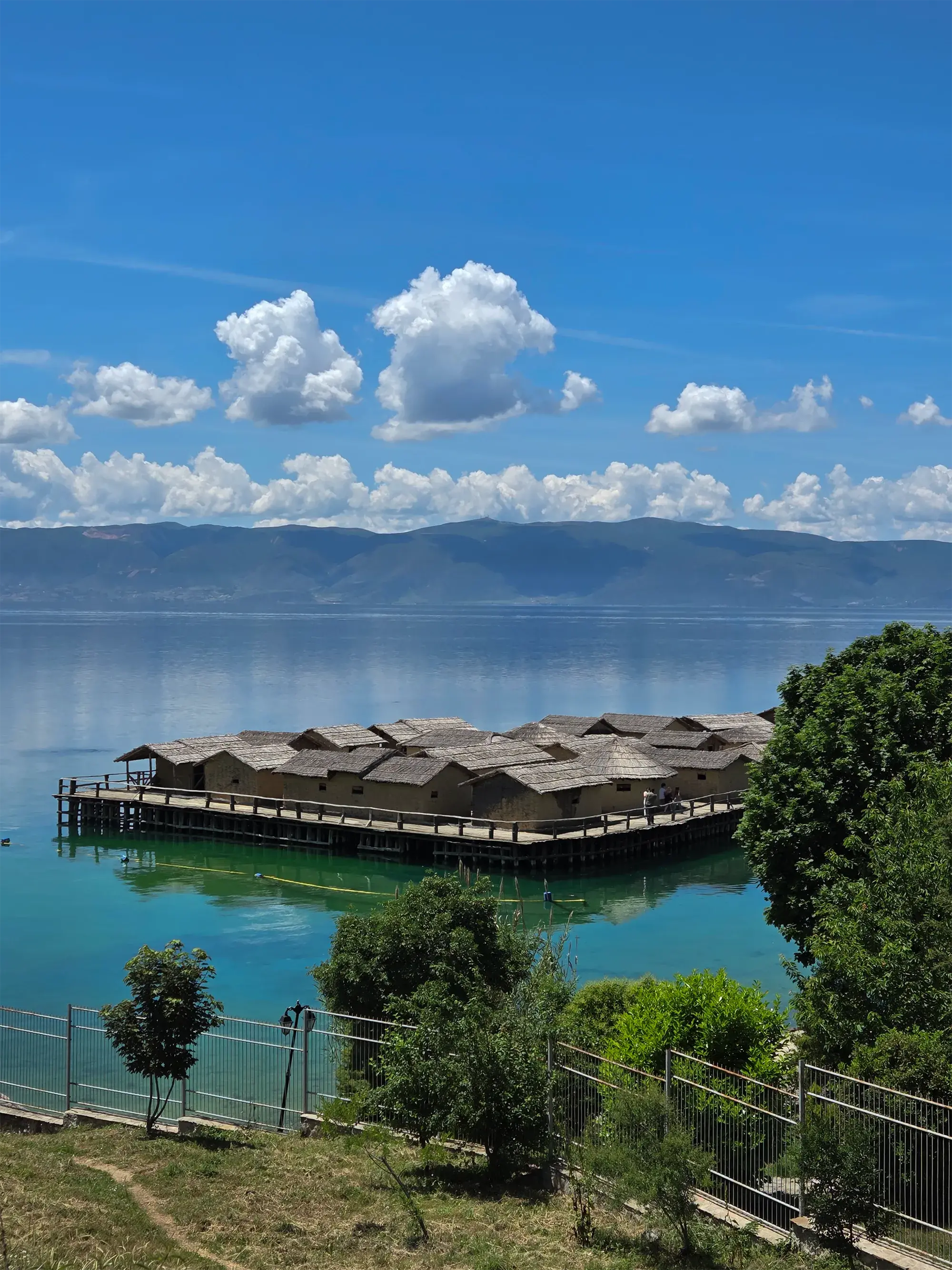
On another day, wander through the Bay of Bones museum, a reconstruction of a prehistoric settlement built on the lake. Go in the early morning if you can, before tour buses arrive, when the only sound is the water lapping against the stilts of the wooden houses. You might also take a short trip to Struga, a smaller town on the other side of the lake, known for its poetry festival and its quieter vibe. Struga’s riverfront cafés are perfect if you want to escape the busier Ohrid promenade for an afternoon.
Back in Ohrid, lazy afternoons are best enjoyed in shaded cafés with a view of the water. A favorite habit among locals is to sit for hours over a single coffee, chatting and watching the light shift across the lake. If you’d rather explore, duck into yet another church, the legend goes there are 365 of them in the city, one for each day of the year. Ask the locals, every one of them has a story to tell about a “hidden favorite.” In the evenings, let the lake breeze guide you to a taverna where music drifts out onto the street and dinner stretches into the night. If you’re lucky, you might stumble upon live Macedonian folk music, where the dancing and clapping carry on until well past midnight.
Another option for your extra days is to spend them on the more distant beaches, like Trpejca or Peshtani. There, you can swim in pristine water. Trpejca is known as the “Macedonian Saint-Tropez”, where you can enjoy a fresh fish dinner at family-run taverns on the water’s edge.
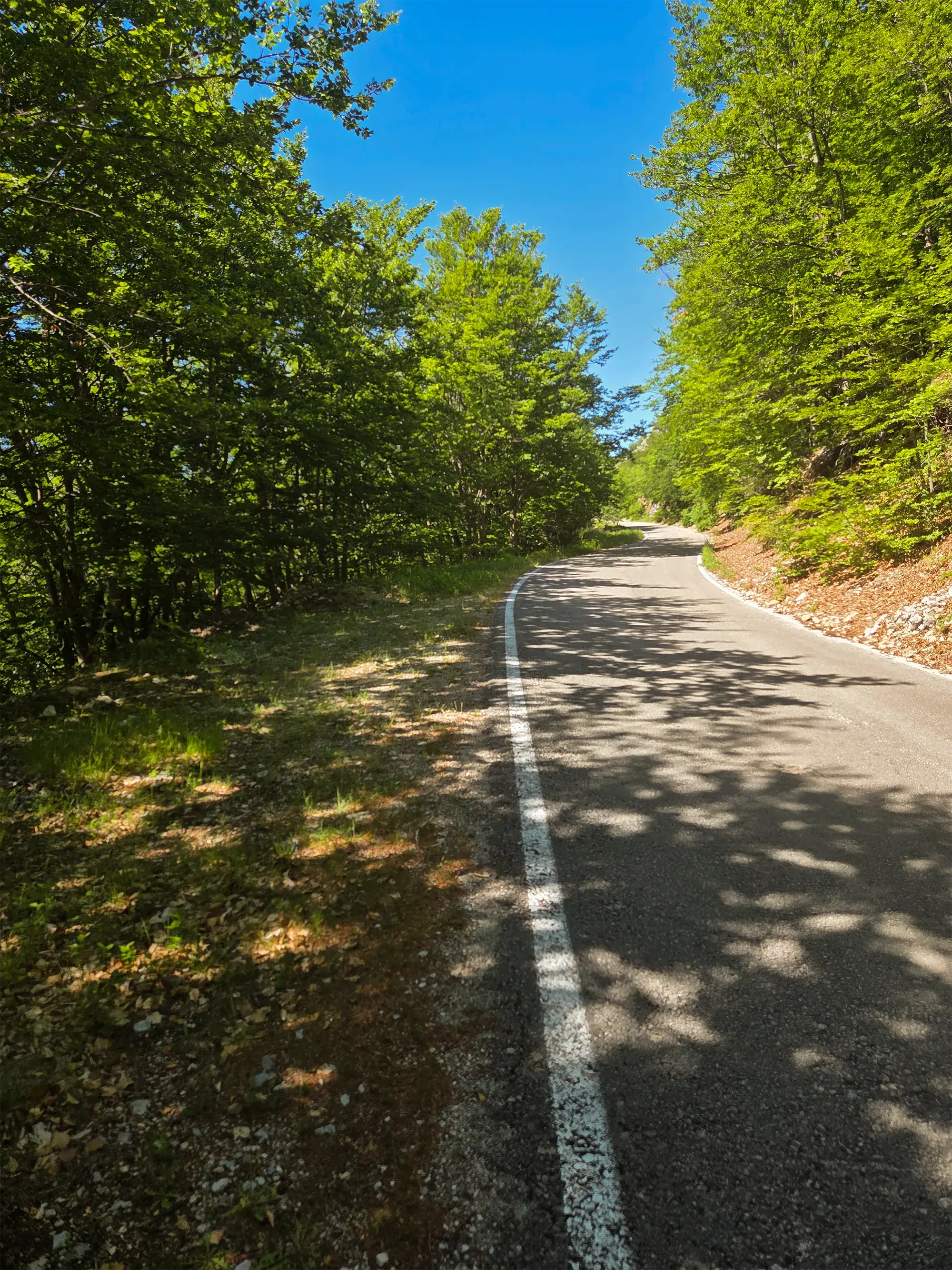
Last, but not least, if you are into nature, you can take a day trip into Galicica National Park for a hike that will offer stunning views over both Lake Ohrid and the neighboring Lake Prespa. Once you enter the national Park, you can ask at the info station down for some great hiking trails. Or if you solely want to enjoy the nature and views, there are a couple of views along the way with a parking.
Practical Tips for Your Stay
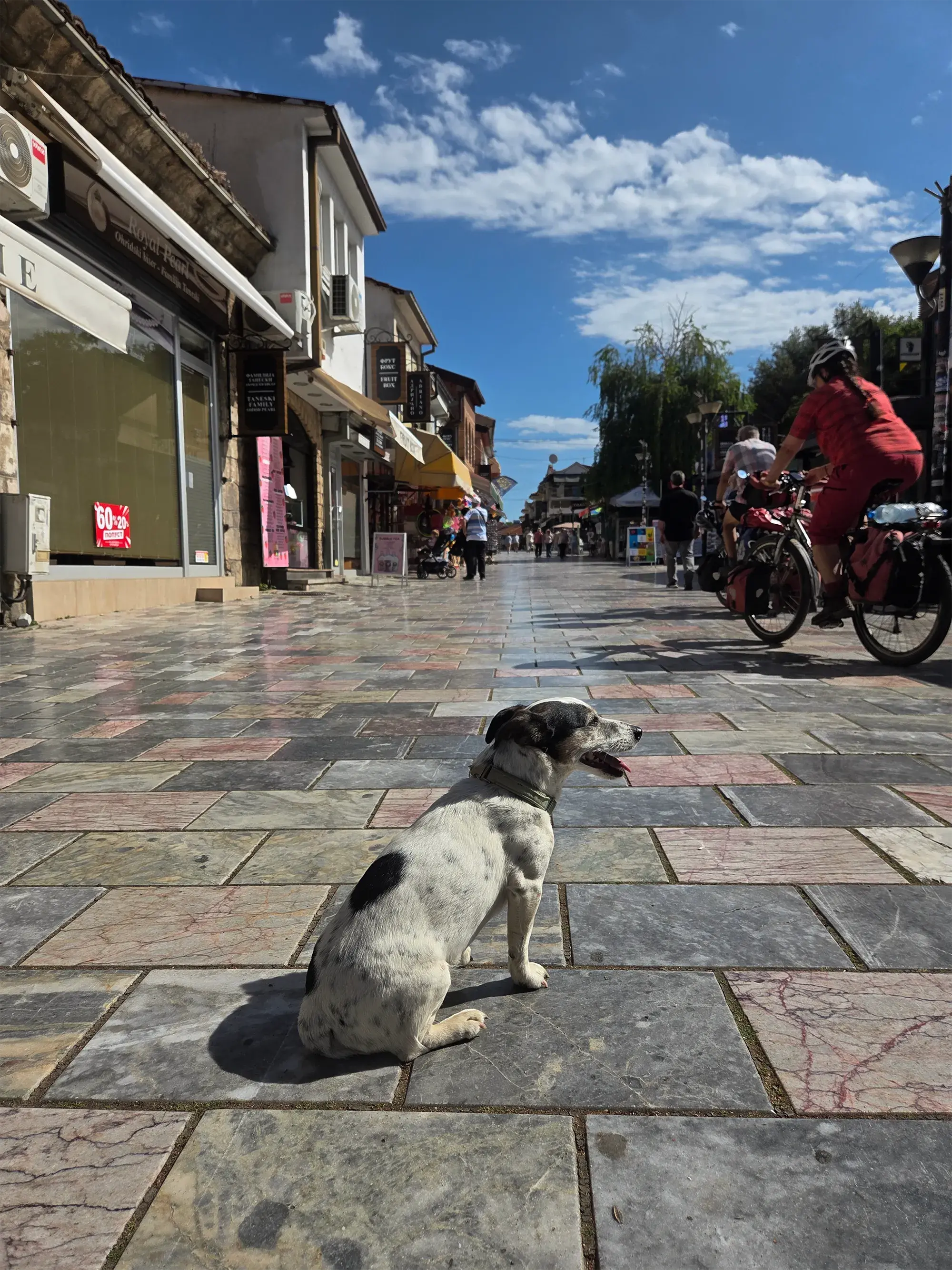
Ohrid is small enough to explore on foot, and most of the Old Town is best enjoyed slowly, without cars or timetables. Summer brings lively energy with festivals and swimming, while spring and autumn offer quieter streets and cooler air, and better chances of having Kaneo or St. Naum to yourself. And here’s a tip locals know well: avoid the busiest stretch of the promenade around midday in summer. Instead, slip into the shaded alleys of the Old Town or retreat to a quiet café until the heat eases. With that in mind, here is a summary of practical tips for your trip to Ohrid.
· Don’t stick only to the Old Town. While the streets are magical, you can also walk down to the Old Bazaar in the lower town, grab a coffee at one of the tiny cafes and socialize with locals.
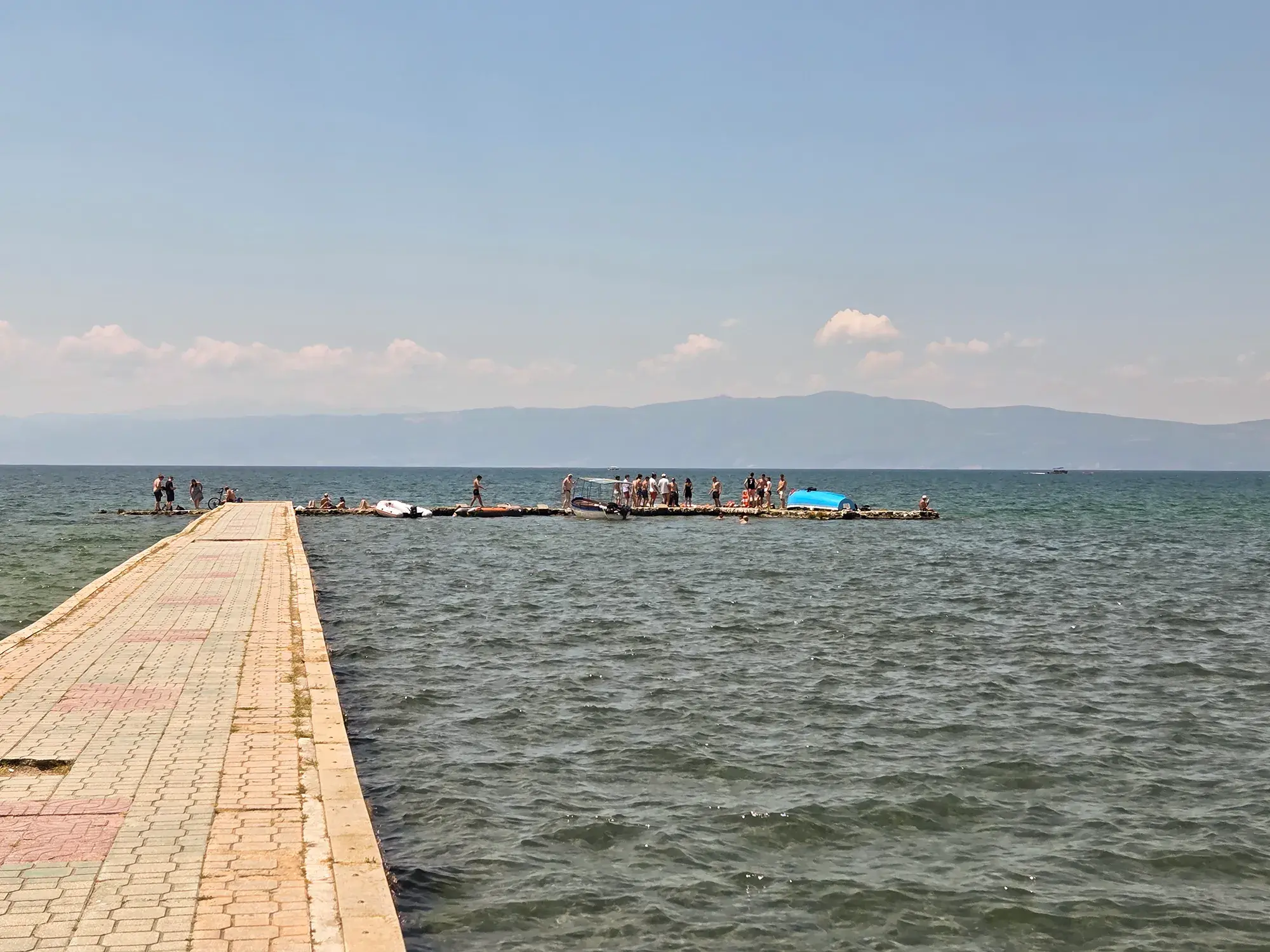
· If you love swimming, the best time is in the morning or before sunset. The mornings are calm, the water is clear, and you will have the lake for yourself. By afternoon, boats arrive and stir things up, while in the summer, it can get windy.
· If you want to save money on food, skip the fancy restaurants by the lake. Look for taverns just a couple of streets away from the main promenade.
· Wear proper shoes, Ohrid is not sandal-friendly, at least not if your plan is to explore it properly. The cobblestones are uneven, and even a small hike to Samuel’s Fortress or Plaosnik demands sturdy shoes. You will regret if you wear only flip-flops.
· Most landmarks are best in the morning or late in the day. They can get packed between 11 am and 4 pm in high seasons. Kaneo is crowded during sunset, since it is one of the best place to watch the sunset.
· If you want a calmer and quieter surrounding to enjoy the sunset, head to Velestovo, a neighborhood in Ohrid. As you drive along the way, you’ll find a perfect view point with a parking.
· Ask about church openings, they are not open all the time. Some of the smaller ones require you to knock, and someone from the neighborhood will bring up the key and show you around. Leaving a small tip is customary.
· Always keep cash on you, many of the smaller shops, buses, and family-run restaurants do not take cards. Exchange denars for buying fruits at the market or paying for public restroom and buses.
· Most importantly, slow down. Ohrid is not about rushing. Sit by the lake with a coffee, walk the wooden boardwalk between Kaneo and Potpesh, or listen to the crowd at the main square.
The Best Month to Visit Ohrid
A common question among tourists, there is no right answer to it. It depends what you want. The city becomes livelier from July 15th to August 15th. The first week of August is often the best period if you like to check the parties.
But if you want to enjoy the city, late August and Early September is the best. By then, the summer crowds have started to thin out, but the lake is still warm enough for swimming, the sun still lingers well into the evening, and the town takes a deep, contented breath after the rush of July and August.
This is the period when locals reclaim their favorite swimming spots, when the markets are full of late-summer fruit, and when a stroll through the Old Town feels calm and unhurried.
July and August are wonderful if you’re looking for energy, the town is alive with festivals, music echoing from every square, and boats lined up along the shore. But with the popularity comes busier streets and higher prices, something worth keeping in mind.
Spring, especially May and early June, is also beautiful. The air is fresh, the gardens are in bloom, and the lake has a quiet, reflective quality before the season begins. Winter has its own charm, too, especially if you want to see Ohrid without tourists, though the lake is icy cold, the town feels intimate, with locals bundled up in cafés and the cobblestones often glistening from rain.
But if your goal is to experience Ohrid in a way that balances warm weather, open water, and a slower, more authentic pace, September is the month that captures it best.