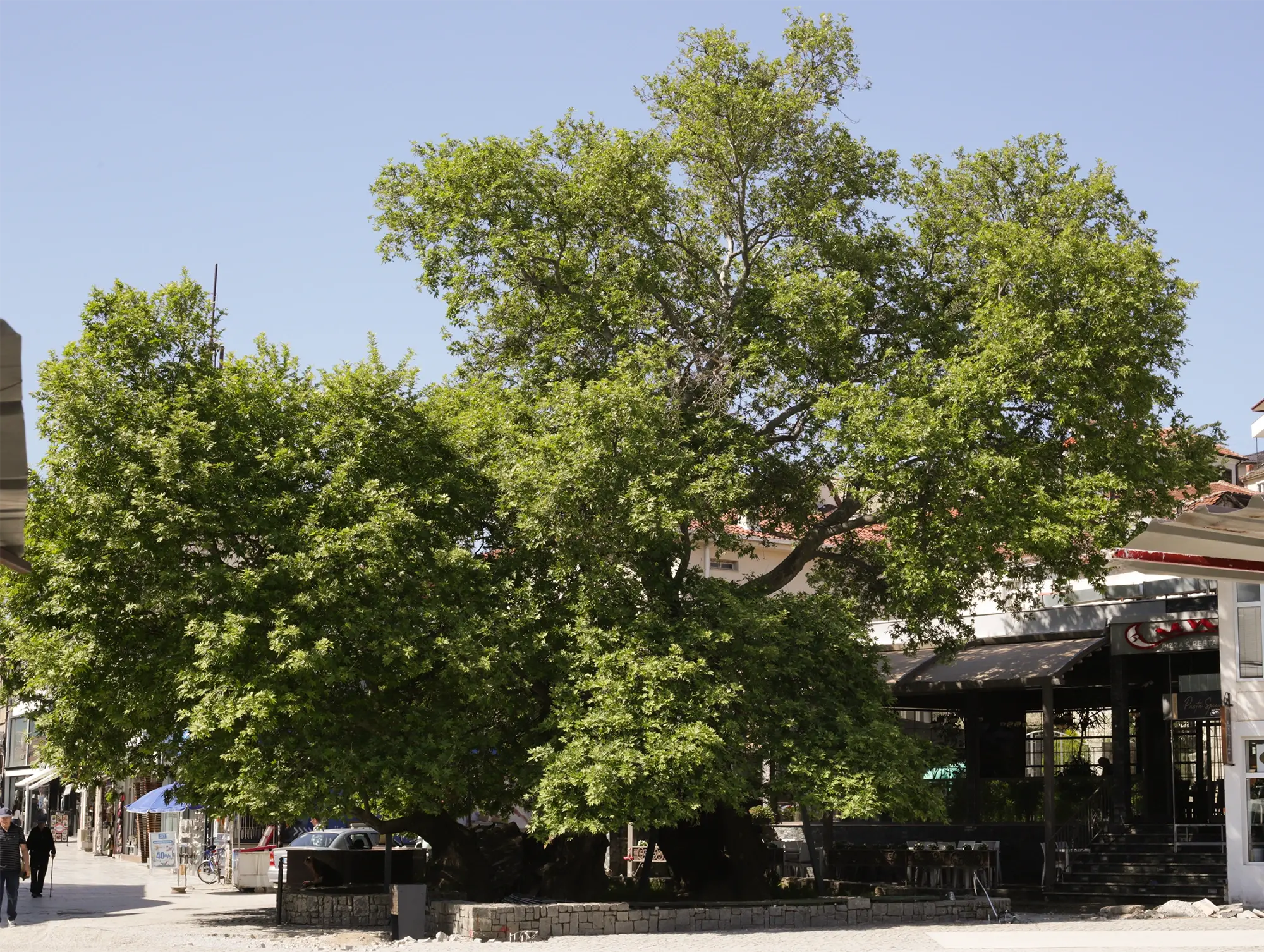
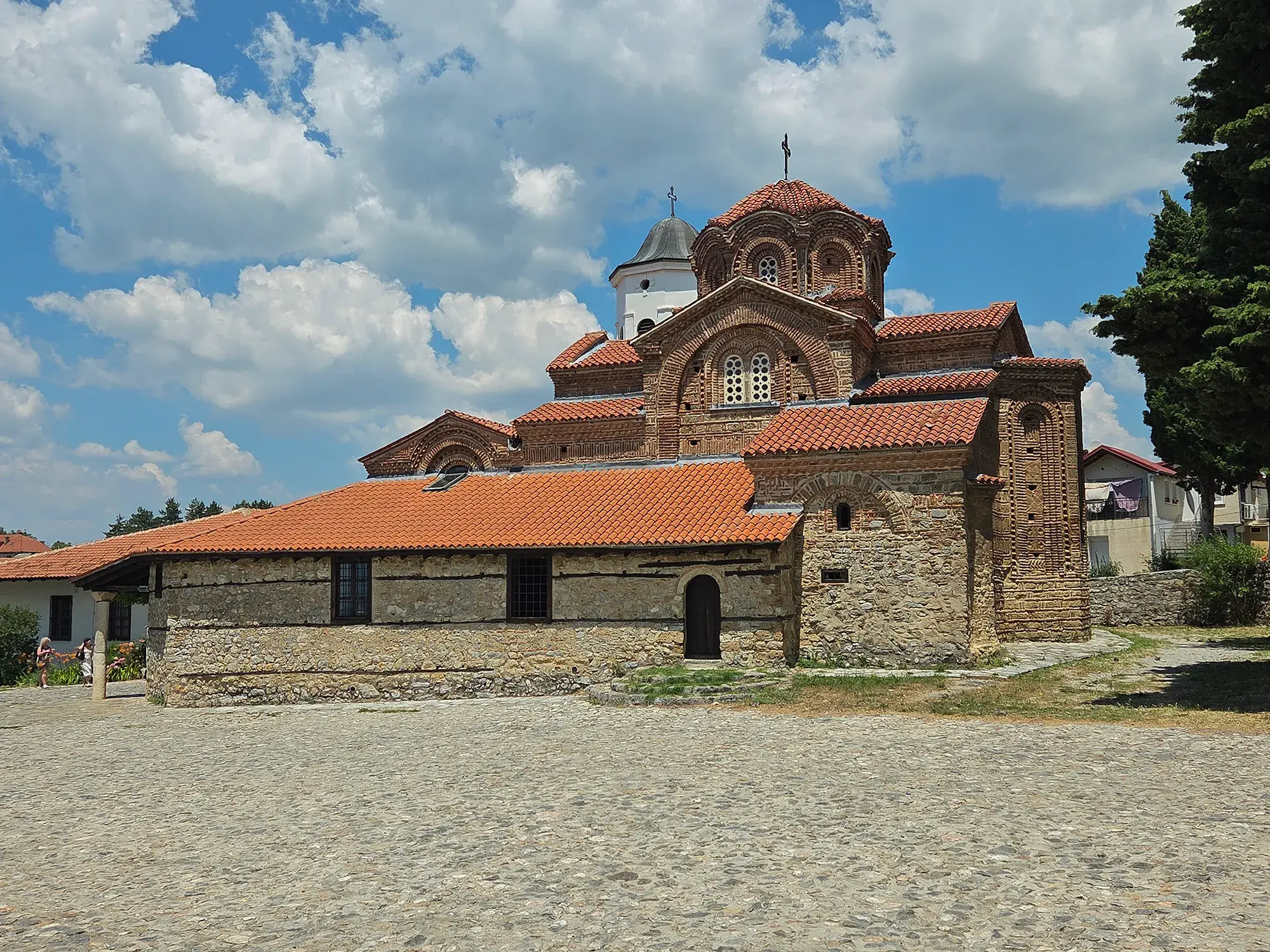
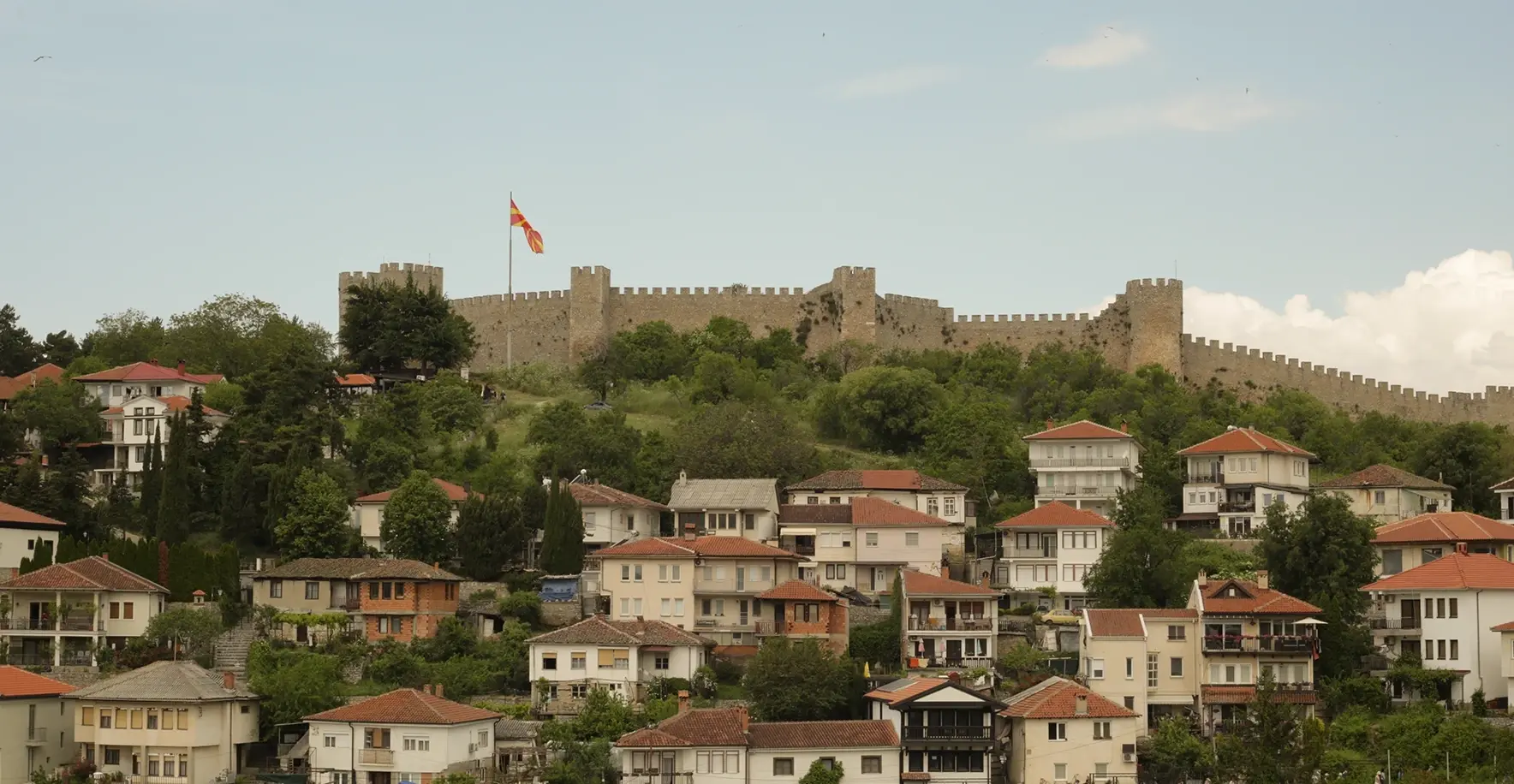
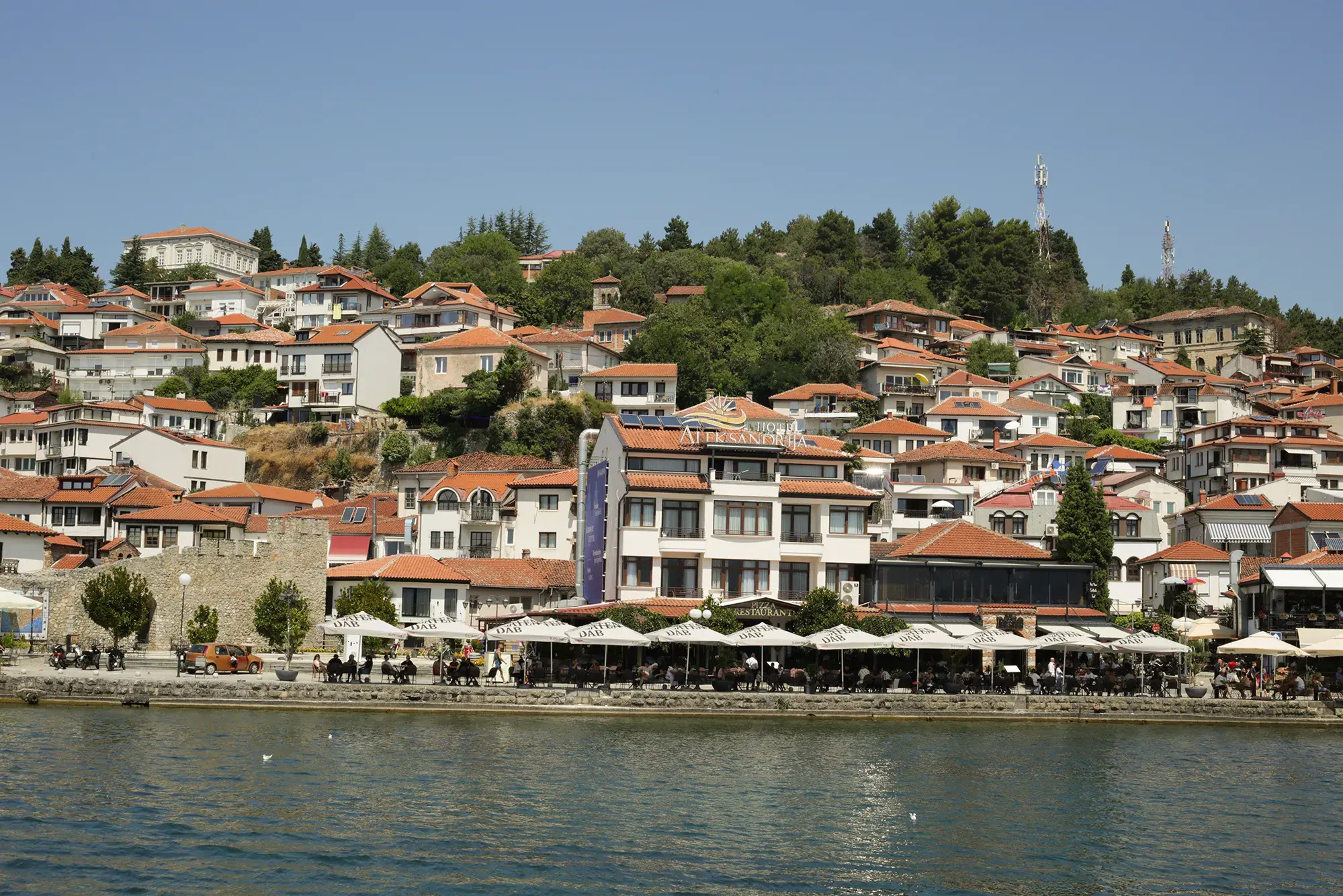
The ancient city of Ohrid clings to steep ridges above a mirror-blue lake in North Macedonia, and locals will tell you its name was born from an exclamation of wonder. Two legends compete for the honor of explaining how this UNESCO World Heritage city got its name, and both involve powerful rulers gasping at the landscape.
Justinian's cry of awe
The first legend credits Byzantine Emperor Justinian I the Great, who ruled from 527 to 565 AD and left his architectural mark across the empire. Justinian was known for building the Hagia Sophia in Constantinople and fortifying dozens of cities along his borders. According to this tale, when he climbed the ridges where Ohrid sits and looked out over the shimmering lake and surrounding mountains, he cried out "OH RID!" (Oh, ridge!), overwhelmed by the beauty spread before him. The name stuck.
Justinian did more than admire the view. He reinforced the city's defenses and recognized its strategic position overlooking Lake Ohrid, one of Europe's oldest and deepest lakes. Whether he actually shouted at the landscape is another matter, but the legend persists in cafes and tour guides across the old town.
Samuil's soldiers and their weary climb
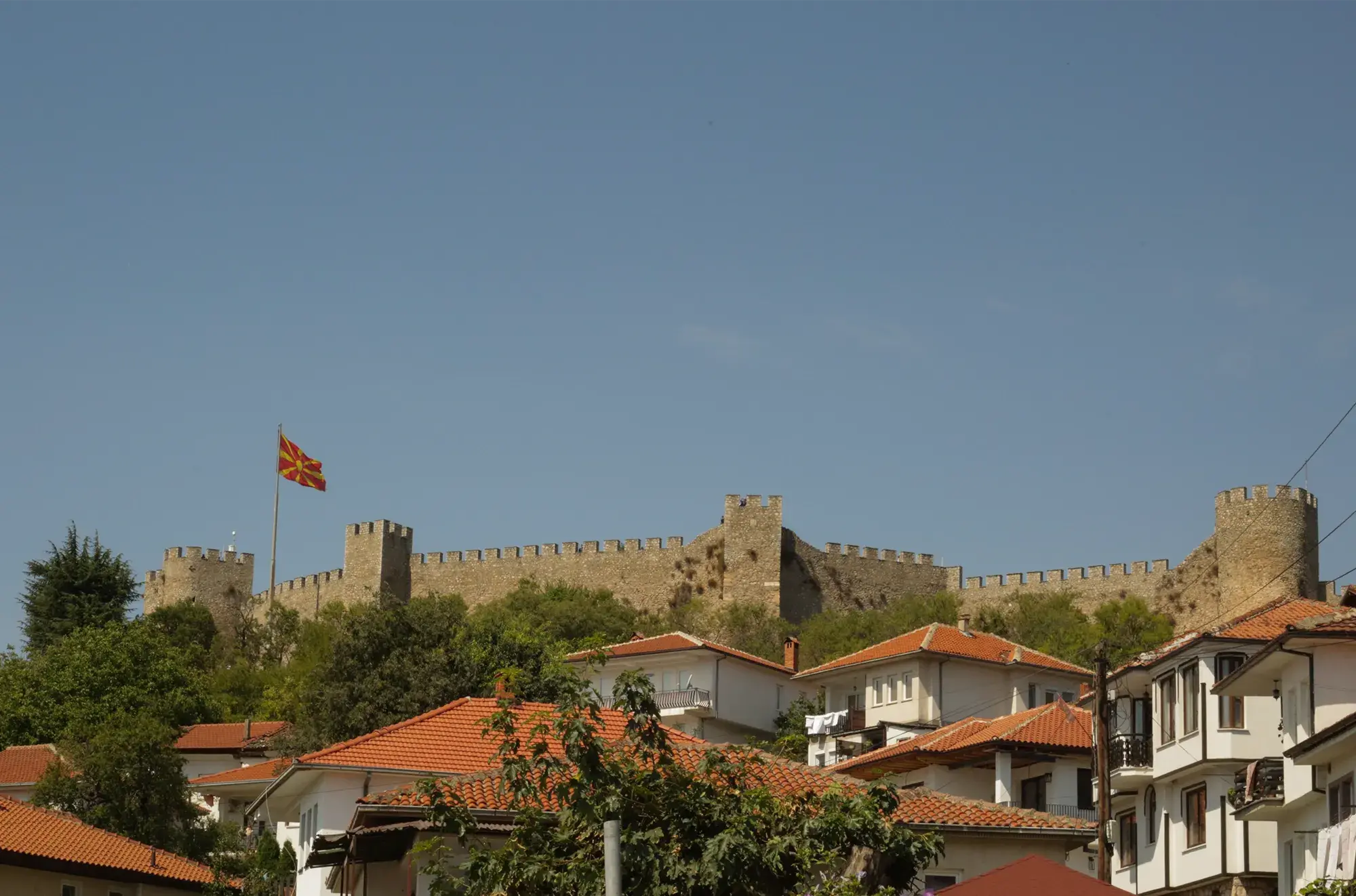
The second legend shifts the timeline forward about 400 years and changes the tone entirely. This version involves Tsar Samuil, who ruled an empire on the Balkans from 997 to 1014 AD and made Ohrid his capital. Samuil was a fierce military leader who spent decades fighting the Byzantines for control of the Balkans. His fortress still dominates the highest point of Ohrid's old town, with massive stone walls that have weathered a thousand years.
After long campaigns and brutal battles, Samuil's soldiers would return home exhausted and wounded. As they struggled up the steep ridge leading to the old part of the city, they would groan "Oh ride, oh ride" (Oh, ridges, oh, ridges), cursing the climb that stood between them and rest. Their complaints became the city's name.
The Samuil Fortress that overlooks Ohrid today was built on earlier fortifications, likely including some of Justinian's work. Walking up to it now, you understand why wounded soldiers might have cursed every step. The climb is punishing even without armor and battle injuries.
The actual origin: stuck in the rocks
Strip away the romance and the linguistics tell a different story. The name Ohrid derives from the Old Church Slavonic phrase "vo hridi" or "vo ridot," which translates simply to "in the rocks" or "on the ridge." No emperors, no dying soldiers, just a practical description of where the city sits.
The Slavic name replaced an older one. Before Ohrid, the settlement was called Lychnidos, which means "divine light" in Greek. This name came from even earlier times, when according to local tradition, the exiled Phoenician prince Cadmus founded a city on the lakeshore between the modern neighborhoods of Potpesh and Kaneo. Cadmus appears in Greek mythology as the founder of Thebes and the one who brought the alphabet to Greece, so his connection to Lychnidos links Ohrid to the deepest layers of Mediterranean civilization.
Archaeological evidence confirms that Lychnidos existed as a significant settlement by the 4th century BC, serving as a stop on the Via Egnatia, the Roman road connecting the Adriatic coast to Constantinople. The city prospered under Roman rule, declined during the Migration Period, and then rose again under Slavic and Byzantine influence.
Why legends outlive facts
The truth about Ohrid's name is documented in medieval manuscripts and supported by linguistic analysis. But ask anyone in the old town how the city got its name and they'll tell you about Justinian's gasp of wonder or Samuil's exhausted soldiers. The legends survive because they're better stories, and because they connect the city's identity to moments of human emotion rather than dry etymology.
Standing on the fortress walls at sunset, watching light scatter across Lake Ohrid while swifts scream overhead, you understand why people prefer the legend of Justinian's exclamation. Some places deserve a better origin story than "we built it on a ridge."