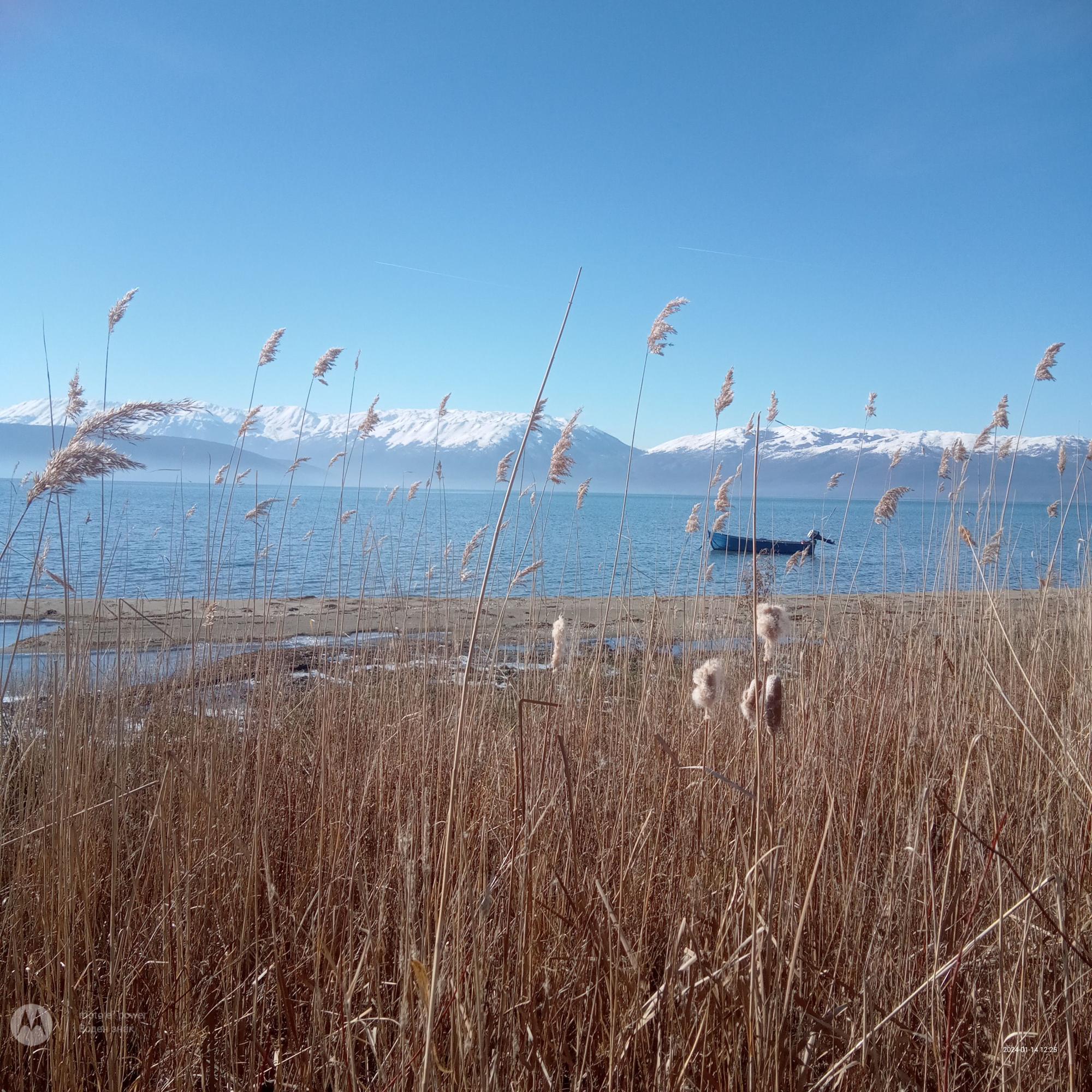
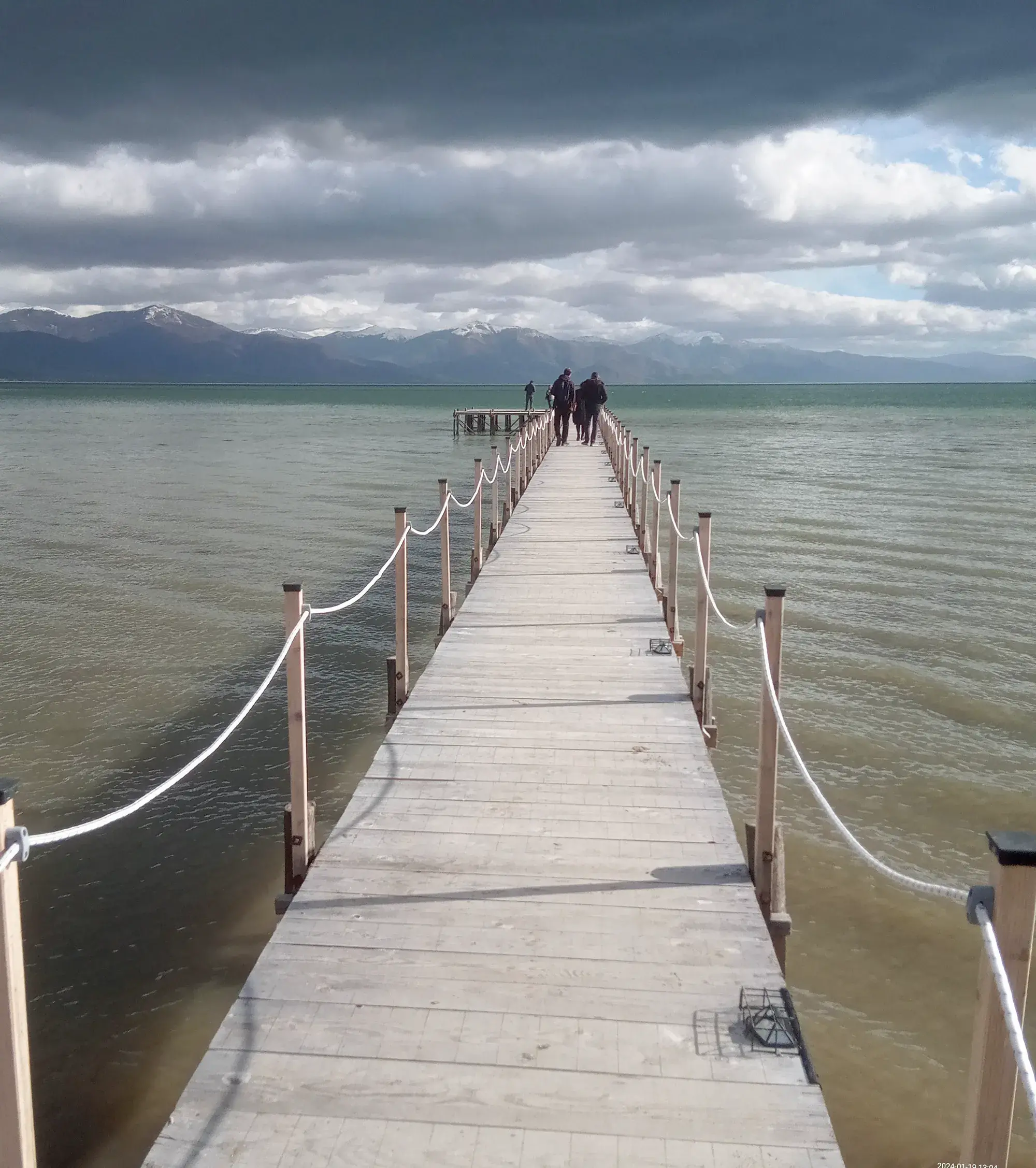
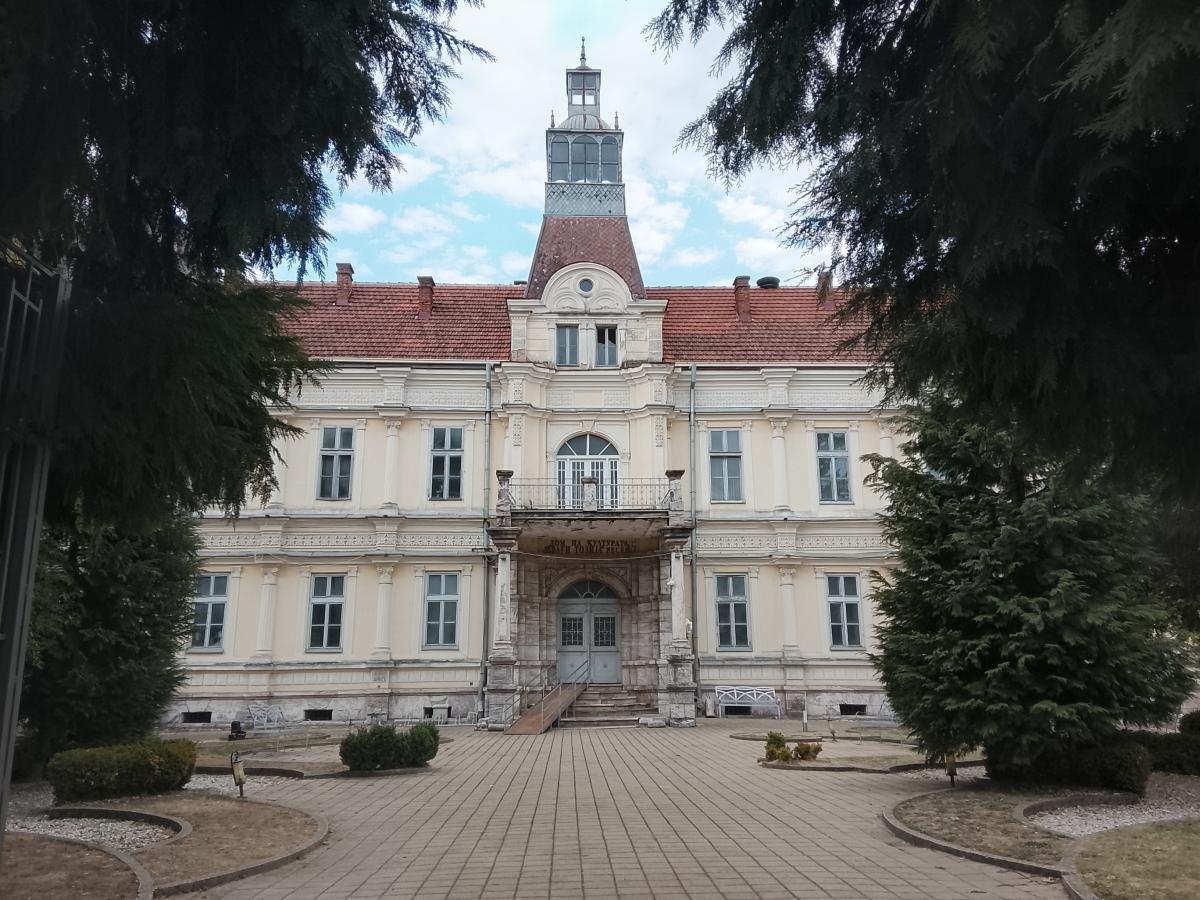
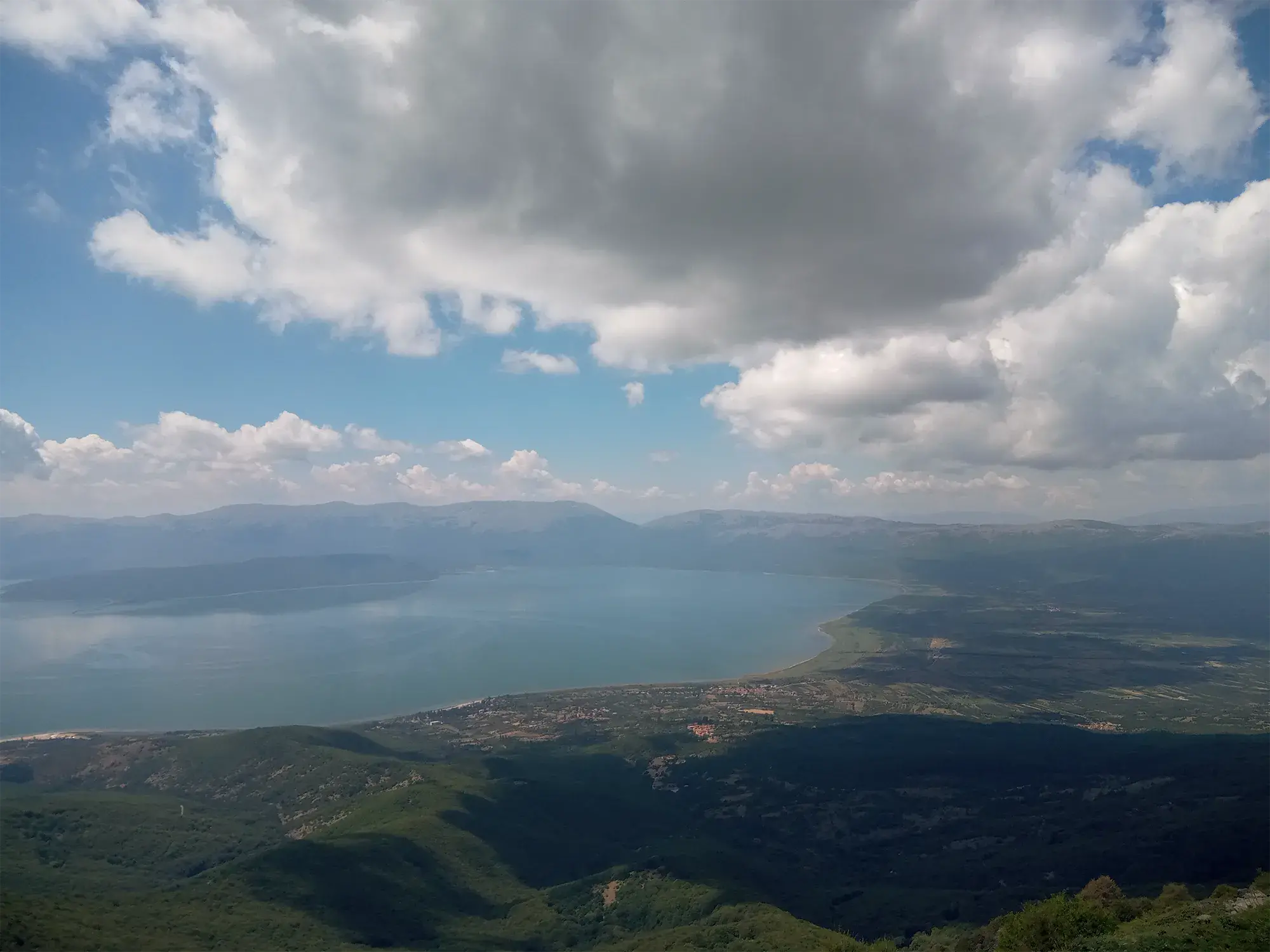
The road from Ohrid climbs through pine forests and over mountain passes before dropping into a basin where two lakes shimmer between peaks. This is Prespa, a place where North Macedonia, Albania, and Greece converge around ancient waters. Most travelers rushing between Balkan highlights miss it entirely. Those who make the detour find something rare: a corner of Europe that tourism has barely touched.
The lakes sit at 850 meters above sea level, cradled by mountains that rise another thousand meters higher. Great Prespa Lake spreads across all three countries, while Small Prespa nestles between Greece and Albania. Underground channels connect them, and both drain into Lake Ohrid through subterranean passages beneath Galičica Mountain. Scientists estimate these lakes formed between one and five million years ago, making them among the oldest in Europe.
Where three countries meet
Stand on the shore near the North Macedonian village of Konjsko and you can see Albanian mountains to the west and Greek peaks to the south. The international borders slice through the middle of Great Prespa Lake in lines invisible to the eye but marked on every map. This tri-border meeting point has shaped the region's history for centuries.
During the Cold War, these borders were nearly impassable. Greece and Albania did not speak to each other, and Yugoslavia kept careful watch over its frontiers. Villages on opposite shores might as well have been on different continents. The borders opened gradually after 1991, but the isolation had preserved something valuable. Without highways or hotel complexes, Prespa remained much as it had been for generations.
Today you can cross between countries at several points. The main crossing between North Macedonia and Greece runs through Golem Grad checkpoint near Oteševo. From Greece, you can enter Albania at Krystallopigi. Each crossing involves passport checks, and while waits are usually short, you should carry your documents if you plan to explore the entire lake circuit.
The Greek village of Psarades sits directly on the border, its houses facing across the water toward Albanian shores. From certain hilltops, you can photograph the meeting point of all three nations, a geographical curiosity that few other places in Europe can match.
A gathering place for pelicans
Prespa holds one of Europe's most valuable bird populations. Over 260 species have been recorded here, from tiny warblers to imposing raptors. But the stars are the Dalmatian pelicans.
These massive birds, with wingspans reaching 3.5 meters, gather at Prespa to breed. The colony here represents the largest concentration of Dalmatian pelicans in Europe, with more than 1,400 breeding pairs counted in recent surveys. They build their nests on floating reed islands in Small Prespa Lake, which sits mostly in Greece with a portion extending into Albania.
The best time to see them is early morning during spring and summer. They fish in coordinated groups, forming lines across the water and driving fish toward shallow areas. Their white plumage catches the light as they glide low over the surface, and when they land, they settle onto the water with surprising grace for such large birds.
The Prespa Pelican Station, located near the Greek village of Agios Germanos, offers viewing platforms and information about the colony. Conservation efforts here have helped stabilize pelican numbers after decades of decline. The Greek Society for the Protection of Prespa manages programs to protect nesting sites and reduce fishing conflicts.
Beyond pelicans, Prespa attracts pygmy cormorants, ferruginous ducks, and various heron species. During migration seasons, the lakes become a stopover for birds traveling between Africa and Northern Europe. Bring binoculars and a field guide, and you can spend days cataloging species.
The island of ruins and serpents
Golem Grad rises from Great Prespa Lake like a stone fortress. This small island, less than a kilometer across, belongs to North Macedonia and holds layers of history beneath its rocky surface. The name translates to "Large Town," a reference to the settlement that once thrived here.
Archaeological excavations have uncovered ruins from several periods. The most visible remains are from a medieval monastery dedicated to St. Peter, built during the 14th century. Stone walls still stand among the oak trees, and traces of frescoes cling to protected interior surfaces. Earlier digs found evidence of Roman presence and even earlier Neolithic settlements.
The island earned its other name, Snake Island, from the four species of non-venomous snakes that live here. You might spot them sunning on rocks or sliding through the undergrowth. The isolation has allowed these populations to thrive without human interference.
Boat tours to Golem Grad depart from several villages on the North Macedonian shore, including Konjsko and Carev Dvor. The trip takes about 20 minutes. You can walk around the island in an hour, following rough paths through the vegetation. There are no facilities, so bring water and sun protection.
Orchards that define a region
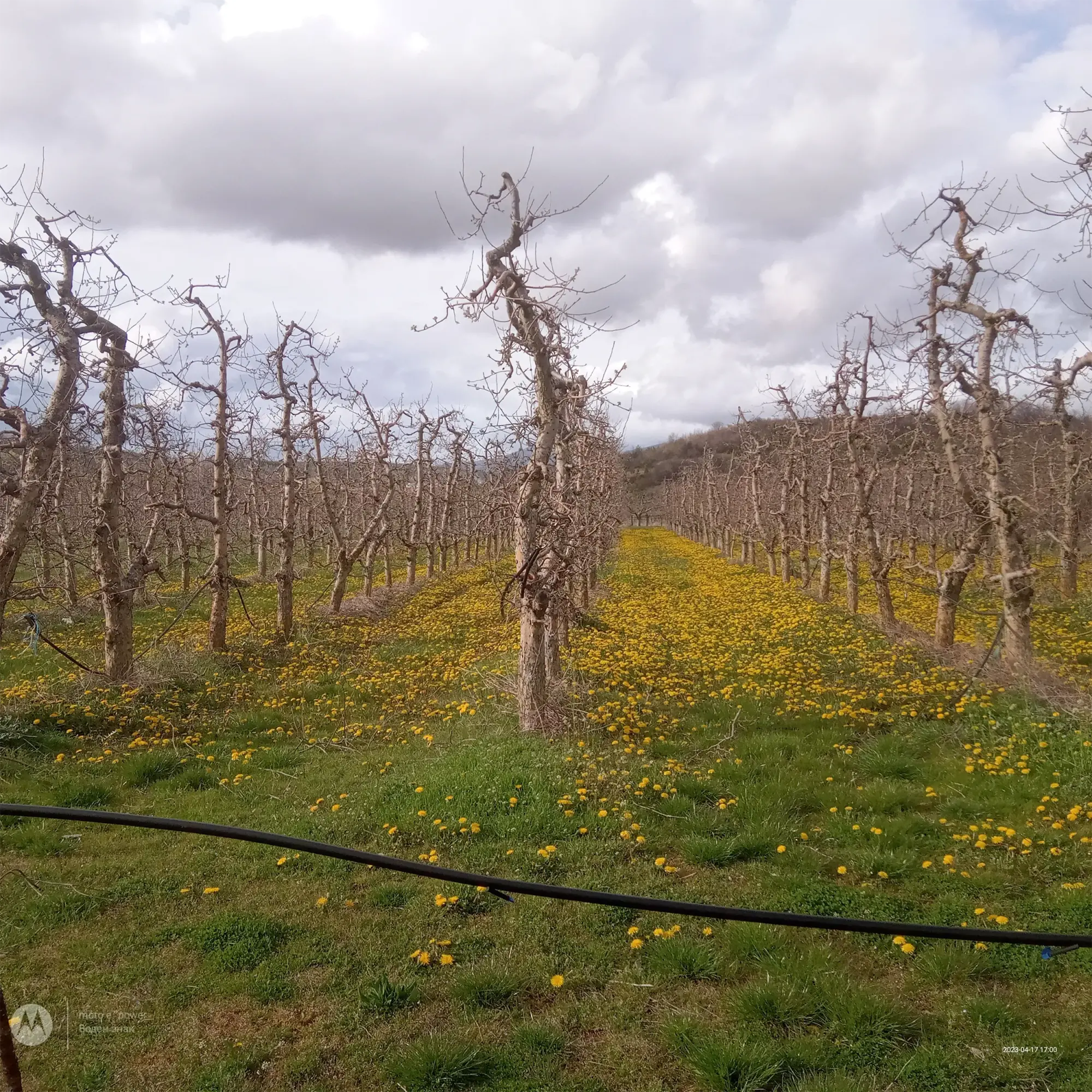
Drive through Prespa in autumn and the air smells of apples. Orchards cover the slopes above the lake, their branches heavy with fruit. The region produces some of the finest apples in the Balkans, a reputation built on altitude, climate, and generations of cultivation.
Prespa apples grow at elevations between 850 and 1,000 meters, where cool nights and warm days create ideal ripening conditions. The varieties here include traditional types rarely found elsewhere. Local growers favor apples with firm flesh that stores well through winter, varieties that their grandparents planted and that continue to thrive in these mountain conditions.
The apples carry protected geographical indication status, recognizing their distinctive qualities. You will find them in markets across North Macedonia, but they taste best eaten straight from the tree or pressed into juice at one of the small processing facilities scattered through the villages.
Harvest runs from September through October. Several villages organize apple festivals during this period, with tastings, traditional music, and sales of apple products. You can also arrange agrotourism visits to working orchards, where farmers explain cultivation techniques and let you pick your own fruit.
Beyond fresh apples, local producers make apple rakija, a strong brandy that warms you through mountain winters. They also dry apple slices and press them into natural fruit leather, products sold in village shops and at Resen's Saturday market.
Churches hidden in stone and time
Religion carved deep marks into Prespa's landscape. Hermits and monks sought isolation here for centuries, leaving behind churches that cling to cliffs and hide in caves.
Near Kurbinovo, the Church of St. George sits on a hillside overlooking the lake. Built in 1191, it contains some of the finest medieval frescoes in the Balkans. The paintings blend Byzantine formality with a softer, more human approach to religious figures. The colors have survived remarkably well, protected by the church's thick stone walls.
On the Greek side, the island of Agios Achilleios holds the ruins of a 10th-century basilica. A narrow stone bridge, also from the medieval period, connects the island to the shore. You can walk across and explore the church remains, which include floor mosaics and column fragments.
These churches received little attention from mainstream tourism, which means you often have them to yourself. The solitude matches the mood the original builders sought when they chose these remote locations.
Villages that time forgot
Brajčino exemplifies what happens when a village resists modern homogenization. This small settlement north of Great Prespa Lake maintains stone architecture that dates back centuries. The houses cluster along narrow lanes, their walls built from local limestone, their roofs still covered with traditional stone tiles.
Slow Food International designated Brajčino as a Slow Food village, recognition of its efforts to preserve local food traditions. The village produces a distinctive white cheese from local sheep milk and grows a heritage bean variety that thrives in the mountain soil. You can eat both at the small restaurant in the village center, where the menu changes based on what is ripe or ready.
Down by the lake, Carev Dvor and Krani maintain fishing traditions that stretch back generations. Fishermen here use traditional nets and wooden boats, catching carp, trout, and other species that locals have harvested for centuries. A few guesthouses in these villages offer rooms with lake views and meals featuring fresh fish.
On the Albanian side, Pustec sits at the southern end of Small Prespa. The population here speaks Macedonian, a linguistic island that reflects the complex ethnic geography of the region. The village has a quiet main street, a small church, and cafes where old men play backgammon in the afternoon shade.
In Greece, Psarades occupies a dramatic position at the northern tip of Great Prespa, pressed between mountain and water. Stone houses line steep streets, and tavernas serve lake fish grilled over charcoal. The Prespa Information Center here provides maps and details about hiking routes and cultural sites.
Where wilderness still feels wild
Prespa offers the kind of outdoor experiences that have become rare in Europe. The landscapes here receive a fraction of the visitors that crowd into Lake Ohrid or other Balkan destinations, which means trails stay quiet and beaches stay empty.
Pelister National Park, which encompasses Baba Mountain south of Prespa, contains hiking routes that range from easy lakeside walks to challenging mountain ascents. The park protects endemic Macedonian pine forests and populations of brown bears, wolves, and lynx. The peak of Pelister reaches 2,601 meters, offering views across Prespa and south into Greece.
Several trails connect the lake shores to higher elevations. You can hike from Brajčino up through beech forests to alpine meadows, or follow the ridge of Galičica Mountain between Prespa and Ohrid. These routes require decent fitness and proper equipment, but they reward effort with solitude and panoramas.
The lakes themselves invite exploration by water. You can swim from pebbly beaches near most villages. The water stays cool even in summer due to the altitude, but it is clean and clear. A few places rent kayaks, allowing you to paddle along shores where cliffs drop straight into deep water.
Cycling works well here because the main roads around the lakes stay relatively flat and carry little traffic. You can complete a circuit of Great Prespa in a day, crossing between countries and stopping in villages for meals. The Greek and Albanian sides have rougher roads than the North Macedonian shore, so expect some bumpy sections.
Winter transforms Prespa into a different place. Snow covers the mountains, and the villages go quiet. The small ski resort on Pelister operates when snowfall allows, offering runs with views over the frozen lake. Cross-country skiing and snowshoeing routes wind through the forests.
Planning your visit
Getting to Prespa requires commitment. The nearest airport with international connections is Ohrid, 50 kilometers north. From Ohrid, the drive takes about an hour, following a winding mountain road over Galičica. The route offers spectacular views but requires attention on the curves.
From Bitola, North Macedonia's second city, the drive runs about 45 kilometers west through agricultural plains before climbing into the mountains. The Greek town of Florina lies 50 kilometers south of Prespa, connected by roads that cross high passes. From Albania, the main access runs from Korçë, about 40 kilometers east.
Public transport exists but requires patience. Buses connect Resen, the largest town near Prespa, with Ohrid and Bitola. From Resen, occasional buses serve lakeside villages, though schedules are sparse and unreliable. Most visitors rent cars or join organized tours from Ohrid.
Accommodation concentrates in the villages rather than purpose-built resorts. Small guesthouses offer simple rooms and home-cooked meals. A few eco-lodges have opened near the North Macedonian shore, providing comfortable bases for nature exploration. Camping is possible in designated areas, though facilities are basic.
The best time to visit depends on your interests. Spring, from April through June, brings wildflowers and peak bird activity. Summer offers warm weather for swimming and hiking, though July and August can get hot. Autumn provides the apple harvest, changing colors, and comfortable temperatures. Winter suits those seeking solitude, but many facilities close and weather can be harsh.
If you plan to cross borders, carry your passport and check current requirements. While the crossings are straightforward, hours can be limited at smaller checkpoints. Vehicle insurance valid across all three countries makes driving easier.
Prespa rewards travelers who arrive without rigid schedules. The pleasure here comes from sitting by the water as pelicans fly overhead, walking through villages where stone houses lean against each other, eating apples picked that morning. These experiences cannot be rushed or packaged. They simply exist, waiting for those willing to take the detour.